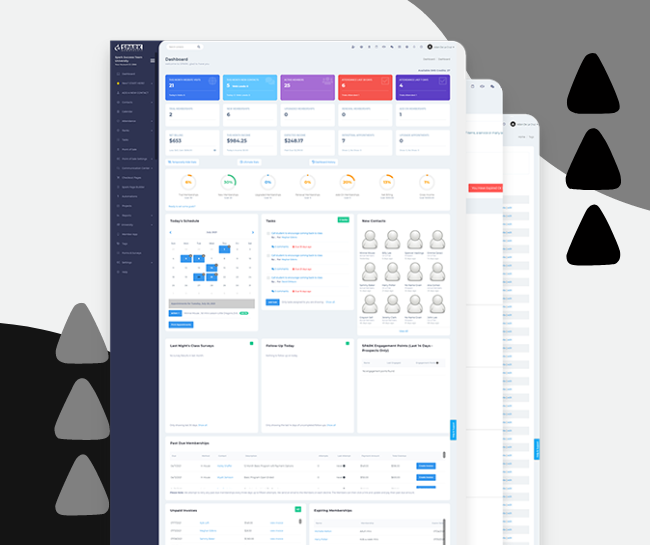
Effective Methods for Tracking Martial Arts Student Belt Progress

Effective Methods for Tracking Martial Arts Student Belt Progress

Every martial arts student knows the excitement of earning a new belt. Behind each promotion is a system that keeps progress fair, structured, and consistent. Belt tracking goes beyond simple recordkeeping—it’s the base that keeps growth and motivation alive inside the dojo.

Without a clear system, testing turns messy, students lose focus, and instructors struggle to stay organized. This guide explains how to manage belt progress effectively, comparing traditional methods with modern automation while sharing best practices that work for the long run.

Why Tracking Belt Progress Matters

When progress is visible, students stay more engaged and accountable. Tracking isn’t just about marking down belt colors—it’s about showing how far students have come and helping them see their next goal clearly.

Benefits of consistent progress tracking:

  • Keeps students motivated and focused on goals
  • Builds trust between instructors, students, and parents
  • Makes promotion decisions simpler and fairer
  • Improves retention and boosts morale
  • Maintains steady and fair testing standards

💡 Schools that track progress consistently strengthen both student confidence and leadership credibility.

Manual vs. Automated Belt Tracking Systems

Each school has its own system for managing student progress. Some still use paper charts or spreadsheets, while others switch to digital tracking. The goal is to find what fits the school’s size, needs, and resources.

Manual Tracking (Traditional Methods)

Manual tracking works best for smaller schools with fewer students. It keeps things personal, though it can become harder to manage as the number of students increases.

Pros:

  • Simple to start and use
  • Encourages a closer instructor-student connection
  • Familiar with long-standing schools

Cons:

  • Higher chance of human error
  • Becomes difficult as enrollment grows
  • No real-time updates for staff or parents

Automated Tracking (Modern Systems)

Automation changes how schools track belt progress. It saves time, lowers stress, and gives a clear snapshot of every student’s standing at any time.

Advantages of automation:

  • Instant updates after each class
  • Integrates easily with attendance and billing systems
  • Improves communication with parents and students

For schools that plan to grow, using an automated system is a practical and valuable upgrade.

Key Features of an Effective Belt Tracking System

An effective system does more than note attendance or list ranks. It connects a student’s performance, participation, and readiness for testing—all in one place.

Essential features include:

  • Student profiles: Keep all rank, attendance, and performance details in one record
  • Automated notifications: Send alerts for test readiness or upcoming exams
  • Visual dashboards: Display progress in simple, easy-to-read charts
  • Integration tools: Connect tracking with scheduling, billing, and attendance
  • Mobile access: Let instructors and parents check progress anytime
  • Secure data storage: Keep records safe and consistent

💡 When all these features work together, the belt system becomes clear, efficient, and motivating for everyone involved.

How to Check and Monitor Student Progress Efficiently

How to Check and Monitor Student Progress Efficiently

Efficient tracking combines technology with personal feedback. A belt system should feel both organized and personal—students should always understand where they stand and what they need to improve next.

Smart ways to monitor progress:

  • Pair attendance data with instructor feedback
  • Schedule reviews every 4–6 weeks
  • Use online tools to show progress milestones
  • Give students skill checklists for self-review
  • Keep parents involved through dashboards or regular updates

When students can see their own growth clearly, it sparks more effort and renewed energy in their training.

Best Practices for Successful Belt Tracking

Clarity and consistency form the base of effective belt tracking. Once both instructors and students understand the process, it becomes a source of motivation instead of paperwork.

Best practices to follow:

  • Set clear and consistent testing standards
  • Hold instructor meetings before each testing phase
  • Review promotion results as a team for fairness
  • Celebrate progress through ceremonies or social posts
  • Use data to identify students who need extra guidance

Tracking should always inspire progress and pride rather than feel like a routine task.

How Spark Membership Simplifies Belt Tracking for Martial Arts Schools

Automation is most effective when it helps maintain connection and recognition. Spark Membership makes tracking simpler, letting schools manage belt progress while still keeping things personal and organized.

With Spark, schools can:

  • Create detailed student profiles, including rank, attendance, and achievements
  • Automate reminders for testing readiness and updates
  • Generate instant reports to prepare for promotions
  • Update progress instantly after each class from any device
  • Improve communication between instructors, students, and parents

Spark Membership turns what used to be a complicated process into a simple, reliable system that helps school owners focus on teaching and building community.

Common Mistakes to Avoid in Belt Tracking

Even strong systems can fail without consistency. Avoiding a few small mistakes helps keep your belt tracking accurate and effective.

Watch out for:

  • Forgetting to update or delaying entries
  • Using inconsistent testing standards
  • Not communicating clearly about eligibility
  • Overlooking parent involvement or recognition of student effort

Consistency builds trust, and that trust is what keeps students loyal and motivated to continue training.

Tracking belt progress shows strong leadership. It keeps your dojo focused, your students inspired, and your instructors aligned. When systems are clear and consistent, motivation grows, and schools thrive. The right tracking approach helps every student feel guided, valued, and supported as they move forward in their martial arts training.

Ready to make belt tracking smoother for your dojo? Try Spark Membership today and see how easy it is to keep your students progressing while saving time on administration.

Keeping track of student progress doesn’t have to be stressful. With Spark Membership, your belt tracking becomes simple, accurate, and effortless. Let your instructors focus on teaching while the software takes care of the details. Start managing your students’ growth the smart way—make every promotion smooth and meaningful with SparkMembership.

Weekly Operational Metrics Every Martial Arts School Owner Should Track

Weekly Operational Metrics Every Martial Arts School Owner Should Track

You can’t improve what you don’t measure. While passion drives every martial arts school, data keeps it growing. Weekly metrics reveal what’s really happening behind the scenes before problems become too costly to fix.

Tracking key performance indicators (KPIs) helps school owners stay in control of operations, spot early trends, and make smarter, faster decisions. These metrics are not about adding stress but about giving you visibility and confidence to lead your school with clarity and focus.

Why Weekly Metrics Matter for Martial Arts Schools

Weekly check-ins turn good school management into great leadership. Many owners only look at data monthly or quarterly, but by then, it’s often too late to correct course. Weekly metrics offer a real-time pulse check that keeps your operations aligned with your goals.

Regular tracking helps you:

  • Adjust class schedules, staffing, or marketing efforts immediately
  • Build consistency and accountability across your team
  • Schools that measure weekly grow steadily because they lead with awareness, not assumption.

Weekly Metrics Every Martial Arts School Owner Should Track

Martial Arts School

Your numbers tell a story that reveals engagement, retention, and growth potential. These ten weekly metrics give you a complete picture of your school’s performance and help you make confident, data-driven decisions.

  1. Count of Actives

This is your dojo’s heartbeat. It shows how many students are truly showing up, not just enrolled. When this number is stable or increasing, your culture is strong and your classes are hitting the right mark.

If your active count fluctuates, it is often a sign of a deeper issue like schedule fatigue or unclear communication. Study trends by class type or age group to see where enthusiasm is fading.

Identify the programs with lower active counts and test small changes, such as adjusted start times or varied training focuses. Small tweaks can revive consistency.

  1. Attendance Rate

Attendance reveals the strength of your community. High attendance shows students are connected and motivated. A drop often signals they are losing excitement or struggling with schedule fit.

Look for patterns rather than random dips. If certain days or class types drop consistently, your students may need a different format, pace, or more energy from instructors.

💡 Survey students about which days and times work best. Adjusting by even 15 minutes can make a major difference in attendance stability.

  1. Sign-Ups or New Enrollments

Sign-ups reflect how well your marketing and onboarding systems convert curiosity into commitment. Strong weekly sign-ups mean your outreach and trial experiences are aligned.

If new enrollments slow down, it is rarely about a lack of leads. Often, it is about timing, unclear messaging, or missed follow-ups.

Track where every new student comes from each week. Prioritize the sources that convert best and review your trial process to make joining feel seamless and exciting.

  1. Drop-Out Rates

When students leave, they are sending feedback. Every dropout is an opportunity to learn what went wrong in their experience.

If you notice multiple departures after grading cycles, events, or long breaks, students may feel directionless or unmotivated afterward.

Review cancellation notes weekly. If you see common reasons like scheduling or motivation issues, re-engage those students with fresh challenges, personal check-ins, or short-term goals.

  1. Retention Rate

Retention is the true measure of your school’s strength. It reflects connection, trust, and long-term satisfaction. When retention drops, the issue is rarely instruction quality. It usually points to engagement gaps or a lack of recognition.

Pair retention data with attendance logs. If certain students or programs show a decline, have instructors check in personally. A small act of recognition can rebuild motivation faster than any promotion.

  1. Capacity Utilization

This metric tells you how well your space and schedule are being used. Overcrowded classes exhaust instructors. Underfilled classes drain energy and revenue.

Balancing class sizes improves the overall experience for everyone. Often, a few schedule adjustments can unlock higher attendance without extra marketing.

Compare average attendance per class against maximum capacity. For full classes, open an additional time slot. For slower ones, combine similar groups or promote those sessions more actively.

  1. Weekly Revenue

Revenue shows how well your systems are working together. Tuition, events, and retail sales all reflect engagement and perceived value.

When revenue stays steady, your school is balanced. When it fluctuates, it often reveals retention or timing challenges.

Break revenue into categories each week. If retail sales drop, feature new gear or merchandise. If event income falls, add family participation or referral bonuses to spark renewed interest.

  1. Lead Generation and Conversion Rate

Strong schools focus not only on bringing in leads but also on converting them effectively. Tracking both gives you a clear picture of marketing efficiency.

If leads are high but conversions are low, prospects may not fully understand your value before joining.

Evaluate the follow-up process after trials. A single personal message or call often increases conversion more than additional ad spend.

  1. Cancellations

Cancellations are a direct window into satisfaction and communication quality. Each one is a signal that something in your member experience needs attention.

The key is not to prevent all cancellations but to learn from them fast enough to improve retention next week.

Reach out within 48 hours of a cancellation to thank them for their time and ask for feedback. Often, that conversation identifies quick fixes that benefit current students, too.

  1. Instructor Utilization

Your instructors’ energy drives your school. When workloads are balanced, classes stay consistent, and morale remains high. Overworked or underused instructors both hurt performance.

Tracking teaching hours weekly helps you prevent burnout and maintain class quality across programs.

Rotate teaching schedules periodically. Giving instructors variety or recovery time keeps their passion fresh and improves overall student experience.

How to Use These Metrics Effectively

Martial Arts Studio with Students

Numbers only create change when they lead to action. Consistent tracking keeps your team proactive instead of reactive.

  • Review it with your staff in short team meetings
  • Focus on patterns, not single data points
  • Set one small improvement goal each week and track results

💡This weekly rhythm builds a culture of accountability and continuous improvement that directly impacts growth and retention.

Tools to Simplify Weekly Metric Tracking

Manually collecting data every week can be time-consuming. The right management system simplifies tracking, centralizes data, and presents insights visually.

A strong system should:

  • Track attendance, billing, and member data automatically
  • Generate reports and dashboards in real time
  • Integrate communication and follow-up tools to act on trends quickly

Spark Membership helps martial arts schools automate these tasks, providing accurate weekly reports and clear performance insights. With less time spent on admin work, owners can focus on teaching, mentoring, and growth.

Weekly metrics are the foundation of disciplined leadership. When you measure consistently, you create clarity, improve communication, and make smarter decisions.

Your dojo grows stronger when you lead with awareness. These numbers are not just data; they are signals showing what’s working, what needs attention, and where your next opportunity lies.

Start small, stay consistent, and watch how weekly tracking transforms your school into a more focused, organized, and growth-ready community.

Make tracking easy with Spark Membership Software. It automates reports, monitors your key metrics, and gives you clear insights so you can focus on growing your martial arts school.

Automation Tools Every Martial Arts School Needs

Automation Tools Every Martial Arts School Needs

Running a martial arts school can feel like a constant balancing act. Between teaching classes, managing families, and handling admin work, owners often find themselves buried in repetitive tasks that eat away at their time and energy.

The good news is that many of those tasks do not need your hands on them. Automation allows you to streamline the busywork, from registrations and billing to attendance and marketing, so you can focus on what matters most: teaching and growing your community.

Here are the core areas every martial arts school owner should automate to save hours each week and reduce stress.

Automate Student Registration and Onboarding

Enrolling new students is exciting, but the process is often bogged down with forms, waivers, and follow-ups. Handling it manually leads to lost paperwork and a scattered first impression.

Automation creates a smoother flow:

  • Online registration forms capture student details once and store them automatically.
  • Welcome sequences, such as emails, texts, or videos, set expectations and answer common questions before the first class.

💡 Set up an instant confirmation email with class details when parents register. It saves you manual follow-ups and reassures families that they made the right choice.

Streamline Class Scheduling and Booking

Managing class schedules manually often creates frustration. Families call or text to reserve spots, instructors juggle attendance sheets, and errors lead to overbooked or half-empty classes.

Automating scheduling prevents those headaches by:

  • Offering self-service booking where parents choose times that fit their schedule.
  • Using capacity controls and waitlists that adjust automatically.
  • Sending reminders before class to reduce no-shows.

💡 Parents value flexibility. Self-service booking gives them control and reduces staff workload, while also boosting commitment because families set training into their own calendars.

Simplify Billing and Payment Processing

Billing is one of the biggest time drains for owners. Sending invoices, following up on late payments, and handling multiple payment preferences eats away at teaching time.

Automation keeps your cash flow steady:

  • Recurring billing ensures tuition is collected without reminders.
  • Automatic notifications for upcoming or overdue payments remove awkward conversations.
  • Digital options such as credit cards, ACH, or wallets make it simple for families to pay.

Make recurring billing your default. Predictable revenue gives you stability and confidence to plan for growth.

Track Attendance Without Manual Headcounts

Attendance is more than checking who shows up. It is an early warning sign for student disengagement. Tracking by hand is slow and inaccurate, and missed data means you lose chances to re-engage students before they quit.

Automating attendance makes this effortless:

  • Digital check-ins with a kiosk, app, or scanner.
  • Real-time attendance reports that show patterns.
  • Alerts for missed classes so you know who to follow up with.

Automated attendance is more than admin efficiency. It gives you the data to step in early, re-engage students, and prevent quiet drop-offs.

Automate Marketing Touchpoints

Marketing often falls off when owners get busy, but consistency is what drives referrals and renewals. Automating campaigns ensures students and parents always feel connected.

Key areas to automate:

  • Email and SMS campaigns that highlight events, promotions, or updates.
  • Birthday and milestone greetings that make families feel valued.
  • Referral follow-ups that encourage members to bring friends.

💡 Insight: Small automated touches like birthday greetings may seem minor, but they build loyalty. Families stay because they feel valued, not just enrolled.

Automate Reporting and Insights

Many owners guess at how their dojo is performing because pulling reports manually takes too long. Without clear data, it is hard to know where you are losing money or students.

Automated reporting solves this by:

  • Generating dashboards that update daily with revenue, attendance, and retention rates.
  • Highlighting trends so you can make decisions based on facts, not guesswork.
  • Sending scheduled reports straight to your inbox.

With data on autopilot, you can make smarter moves without wasting time crunching numbers.

Best Practices for School Automation

Automation works best when it is applied with purpose. Too much too soon can feel overwhelming to staff or impersonal to families.

Tips for success:

  • Start small with one area, like billing or scheduling.
  • Build workflows gradually, adding new automations as your team adapts.
  • Check reports regularly to confirm the systems are delivering results.
  • Keep a human touch, balancing automated reminders with personal check-ins.

Automation works like a reliable assistant, taking care of the background tasks so you can stay focused where it truly matters—teaching and connecting with your students on the mat.

Automation isn’t meant to take away the personal side of running a school. Its purpose is to clear out the repetitive work so owners can focus their time and energy on what truly matters—supporting students, guiding staff, and building strong strategies for growth.

By automating key areas like registration, scheduling, billing, attendance, marketing, and reporting, martial arts schools can save hours each week and reduce unnecessary stress. Just as important, it creates a seamless experience for families—from the first time they sign up to every class they attend.

The schools that thrive are not the ones with owners buried in paperwork. They are the ones where owners use automation to protect their time and lead with vision.

Ready to make your school run smoother and save hours each week? Spark Membership Software gives martial arts school owners everything needed to automate registrations, payments, scheduling, and more—all in one place. Try it today and see the difference.

Why Martial Arts Schools Struggle With Revenue Growth

Why Martial Arts Schools Struggle With Revenue Growth

Passion often starts at school. Teaching, late-night lesson plans, and the community that gathers on mats — these are the reasons dojos open. Still, heart and hustle do not always pay the bills. Many schools run on tight margins in the 10 to 15 percent range. Some do not see a profit for two to three years. Add seasonal drops in sign-ups, rising costs, and a heavy reliance on tuition, and growth stalls. A lot of owners end up in survival mode instead of scaling up.

The better news is that growth is possible if systems exist to support the mission. When the main revenue leaks are identified and fixed, the bottom line improves. This guide names the common money problems, explains why they happen, and lays out practical fixes so schools can move from just getting by to steady, long-term success.

The Financial Reality of Martial Arts Schools

The Financial Reality of Martial Arts Schools

Before trying solutions, get clear on the financial facts.

  • Net Profit Margins: Most schools keep roughly 10 to 15 percent after expenses. That means $20,000 in revenue might leave just $2,000 to $3,000. Small changes in cost or enrollment quickly erase that cushion.
  • Break-Even Timeline: Typical payback for startup costs lands between 24 and 36 months. Without careful planning, some operations never move past break-even.
  • Seasonal Fluctuations: Sign-ups commonly spike in January and September. Summer and holiday periods tend to dip. If those swings are not planned for, cash flow gets tight fast.
  • Passion vs. Profitability: Many owners pour energy into teaching and community, but financial systems get left behind. That gap is where growth stalls.

💡 Seeing these numbers makes it clear why revenue issues repeat across the industry. The next step is to find where money is leaking and patch those holes.

Common Revenue Struggles Martial Arts Schools Face

Running a dojo includes far more than running classes. Many schools hit the same obstacles that quietly limit growth. Spotting these weak points lets a school start fixing them.

Limited Pricing Models

Relying on one flat tuition keeps things simple, but it caps potential revenue. Families vary. Some want budget entry points. Others will pay more for premium coaching or perks.

Tiered membership options open more doors and make the school appeal to more household types:

  • Basic Plan: Two classes per week, a gentle start for beginners.
  • Premium Plan: Unlimited classes plus access to special seminars.
  • Family Plan: Discounted rates for multiple siblings or parents who train together.
  • Elite Plan: Private lessons, competition prep, and extra benefits.

💡Only a small upgrade rate can produce a noticeable lift in monthly cash flow without adding more heads to the roster.

Lack of Diversified Revenue Streams

Tuition as the sole income stream leaves a school exposed. Every cancellation or dropout becomes a hard hit. Diversity in revenue smooths the ride and reduces risk.

Consider pairing tuition with other stable income sources:

  • Merchandise and gear sales
  • Birthday parties and after-school clubs
  • Specialized workshops and weekend seminars
  • Online memberships for remote learners or traveling families

Multiple streams working together make cash flow steadier and reduce reliance on new sign-ups every month.

Untapped Merchandise Sales

Merchandise is more than uniforms. It builds pride and creates a small but steady revenue stream. Too often, families buy gear elsewhere, and the school misses out.

Stock the essentials and add branded items to make buying simple for parents and students:

  • Official uniforms and belts
  • Branded shirts, hoodies, bags, and water bottles
  • Training gear like gloves, pads, and mouthguards
  • Starter bundles for new students that include a uniform and branded items

💡 Merchandise typically adds around 5 to 10 percent to revenue while turning students into brand ambassadors.

Inefficient Class Scheduling

Empty slots and overcrowded peak classes both hold growth back. A mismatched schedule wastes space and frustrates families who cannot find convenient times.

Make scheduling work harder with focused changes:

  • Analyze attendance and concentrate on the most popular slots
  • Add beginner intro sessions during quieter hours
  • Try formats like lunch-hour classes or parent-and-child sessions
  • Balance advanced and beginner groups so classes flow better

Improved scheduling raises capacity, smooths the student experience, and boosts retention without adding more facility cost.

Weak Retention and Loyalty Programs

New sign-ups matter, but retention drives long-term revenue. High churn forces constant recruitment and wastes marketing spend.

Simple loyalty moves keep people training longer:

  • Celebrate belt promotions with small ceremonies
  • Track attendance and reward steady participation
  • Send birthday and training anniversary messages
  • Create milestone awards so progress feels real

A student who trains for three years contributes far more value than a trial member who leaves after one month. Keep students engaged, and the finances improve.

Minimal Community Partnerships

Do not let the dojo sit hidden. Without community ties, growth relies on ads and hope. Partnerships put a school in front of families who already trust local groups.

Ways to connect locally:

  • Partner with gyms or wellness centers for cross-promotions
  • Sponsor local youth teams or community events
  • Offer after-school martial arts clubs with PTA support

These efforts increase visibility and send qualified families to the school with a higher chance of joining.

Overlooking Special Classes and Specialized Training

Core classes keep the floor full, but special programs create upsell chances and attract new audiences. Missing this means missed income and lower engagement.

Consider adding focused offerings like:

  • Self-defense workshops
  • Competition team preparation
  • Advanced seminars for higher belts

Special classes raise perceived value, deepen commitment, and bring fresh revenue paths.

Marketing and Seasonal Growth Opportunities

Visibility equals leads. When marketing is occasional, seasonal peaks are missed, and competitors move faster.

Plan marketing around the calendar to capture demand:

  • Run back-to-school and New Year enrollment campaigns
  • Offer summer camps to offset slower months
  • Invest in steady Facebook and Google ads to stay visible year-round
  • Combine community events with digital outreach for wider reach

Consistent marketing produces a steadier flow of leads instead of random spikes that disappear after a weekend.

Building a Sustainable Growth Plan

Successful schools treat growth as a system. One tactic does not fix everything. A handful of aligned moves creates real momentum.

  • Offer tiered pricing so families can upgrade as needs change
  • Add diverse revenue streams so income does not hinge on tuition alone
  • Strengthen retention programs so students stay longer
  • Optimize class scheduling to use space smartly
  • Reinvest profits into marketing, staff training, and facility improvements
  • Adopt technology like Spark to automate admin, track KPIs, and free up time for coaching

💡 When these pieces align, growth becomes predictable and manageable. Passion must meet process. Systems are the support that turns a good school into a sustainable business.

There is no need to change everything at once. Pick one strategy, refine it, then add the next. Each improvement compounds and pushes the school toward stability and growth.

The dojo should be more than a training room. With the right systems, it becomes a community hub that stands strong financially and changes lives for years to come.

Make growth easier with the right tools. Automating billing, tracking retention, and keeping class rosters tidy frees up time to coach and build community. Spark Membership Software fits naturally into the workflow and centralizes those tasks so revenue strategies actually get followed.

What Software Features Best Help Manage Billing for Dojos

What Software Features Best Help Manage Billing for Dojos

For martial arts school owners, billing often feels heavier than it should. Manual systems seem simple at first but quickly spiral into late tuition, misplaced checks, and long hours chasing families. Each missed payment creates stress. Each awkward reminder chips away at relationships. And the worst part? Time that could be spent teaching gets swallowed by paperwork.

Software changes that equation. Billing tools automate the routine, reduce human error, and bring income in like clockwork. Instead of scrambling to balance books, owners can spend that energy building community and focusing on students. Billing no longer feels like a fire to put out. It becomes a system that runs in the background, predictable and reliable. Here are the features that make the biggest difference.

Why Efficient Billing Matters for Martial Arts Schools

Billing is not just about paperwork. It affects the lifeblood of the school. If tuition is handled smoothly, revenue stays consistent, families trust the system, and the dojo earns a reputation for professionalism. But when payments stall or records get messy, stress builds, and credibility fades.

Efficient billing delivers three core benefits:

  • Better cash flow with fewer late or missed payments
  • Happier families who value clarity and convenience
  • More time for teaching because admin work shrinks dramatically

Once billing is steady, the school has a stronger base for long-term growth.

Core Software Features That Simplify Dojo Billing

Billing can make or break financial stability. The right tools don’t just process money. They protect revenue, reduce uncomfortable conversations, and show families that the dojo runs with structure and care. Below are the essentials every owner should look for.

Recurring Payments and Subscription Billing

Collecting tuition month after month may sound harmless, but it creates constant interruptions. One family forgets. Another waits until the last second. Soon, unpaid balances stack up. Recurring payments take away that uncertainty.

With subscription billing, tuition becomes steady. Families set it up once and enjoy the convenience. Owners gain confidence knowing payments arrive on time. No chasing. No guessing. Just predictable income and more energy for teaching.

Automated Invoicing and Payment Reminders

Missed invoices are silent losses. Owners hesitate to follow up, and that hesitation turns into money slipping away. Automated invoicing fixes the problem before it begins.

The system generates invoices instantly. Reminders go out without effort. Parents receive polite nudges that keep payments on track. Conversations stay professional, and owners avoid uncomfortable exchanges. The process feels natural, and revenue stays protected.

Student Payment Tracking and Digital Records

Messy records are dangerous. Without proper tracking, disputes are harder to resolve, planning becomes guesswork, and families may question the dojo’s professionalism.

Billing software creates clarity. Dashboards display exactly who paid, when, and how. Receipts are stored digitally, safe and easy to access. With everything organized, confusion disappears, trust grows, and financial decisions become sharper.

Customizable Payment Plans and Pricing Tiers

Rigid pricing turns families away. Parents need flexibility. Some want unlimited classes. Others prefer smaller packages. Without options, they feel trapped between overpaying and leaving altogether.

Customizable plans solve that problem. Dojos can offer family bundles, tiered memberships, or pay-as-you-train models. Flexibility shows families they matter. That sense of understanding translates into loyalty, and loyalty strengthens retention.

Multi-Location and Scalable Billing Systems

Growth is exciting. Expansion brings new students, new staff, and new energy. But it also brings new complications. Separate billing systems across multiple locations cause errors and inconsistency.

Scalable software solves this. One platform tracks all revenue across every branch. Reports are clear. Operations stay consistent. Whether a school has two locations or ten, billing remains centralized, giving owners control while supporting expansion.

Advanced Features That Improve Cash Flow

After the basics are in place, advanced billing tools take everything further. They don’t just manage payments; they create opportunities for growth, accountability, and stronger revenue streams.

Multiple Payment Processing Options

If paying is difficult, families delay. Some even leave. Flexibility in payment methods is no longer optional. It is expected.

Stronger billing systems give families a choice:

  • Credit and debit card options
  • ACH and direct bank transfers
  • Mobile wallets for convenience
  • Point-of-sale systems for in-person transactions

💡 The easier it is to pay, the fewer excuses exist. Convenience leads to higher retention and steadier cash flow.

Martial Arts POS Integration

Tuition isn’t the only source of revenue. Dojos also sell uniforms, sparring equipment, and branded merchandise. Without integration, tuition and retail sales are split into separate systems, causing confusion and missed opportunities.

POS integration ties it all together. Families can pay tuition and gear fees in one step. Owners track everything in one dashboard. Errors go down. Income goes up. And families enjoy smoother transactions.

Membership and Attendance Integration

Payments show who is paying. Attendance shows who is staying. Without combining the two, the picture is incomplete. A student may keep paying for months even while losing interest.

When billing connects with attendance, owners can:

  • Spot warning signs by tracking declining participation
  • Send renewal prompts triggered by activity
  • Match payment patterns with engagement data for better insights

💡 Together, billing and attendance create a full view of financial health and student retention.

How to Choose the Right Billing Software

Not all software is equal. Some simply process payments. Others connect billing to attendance, scheduling, and communication, so everything runs as one system. The latter creates fewer headaches and stronger outcomes.

When choosing software, consider:

  • Your pain points: Is the struggle late payments, missing invoices, or scaling issues?
  • All-in-one solutions: Billing should link with scheduling, attendance, and student communication.
  • Ease of use: If staff or families struggle to use it, the system will fail.
  • Scalability: The software should support growth across multiple locations.
  • Support and security: Strong protection and responsive service are essential.

This is why many martial arts schools turn to Spark Membership. It was built by school owners who know these struggles and shaped to fit the needs of dojos that want both simplicity and scalability.

Billing should never be seen as a back-office chore. It is the backbone of financial health. With features like recurring payments, automated invoicing, and attendance integration, schools reduce stress and build stability.

The right software doesn’t just save time. It increases revenue, strengthens family trust, and clears space for the true mission: teaching martial arts and growing a thriving community. Billing systems are not just expenses. They are growth strategies.

If the goal is less stress, clearer finances, and more time for instruction, Spark Membership provides the tools to get there. It combines billing, attendance, scheduling, and POS into a single platform so money moves smoothly and owners regain control.

Reasons Students Leave Martial Arts Schools

Reasons Students Leave Martial Arts Schools

Every martial arts school owner has felt the weight of student dropouts. Time is spent, energy is given, heart is poured into lessons, and then a student who once seemed fully committed quietly drifts away. It is a moment that stings because the loss is not just a missing face in class. Retention is the lifeline of steady revenue, the spark that fuels word-of-mouth growth, and the bond that builds a community rooted in trust and loyalty.

Strengthening retention always begins with clarity. Students do not disappear without cause. Sometimes it is conflicting schedules. Other times, it is motivation fading, pressure from family, or financial strain. Whatever the reason, if the pattern is left in the dark, it repeats again and again. Once the true causes are seen, the opportunity to act appears. Systems can be built, structures put in place, and the churn begins to slow. That is when a school shifts from losing students to keeping them, from temporary interest to long-term loyalty. The mats no longer just hold students passing through—they hold a community that stays, grows, and thrives together.

Common Reasons Martial Arts Students Quit

Understanding why students leave is the first step to keeping them longer. These are the most common reasons behind dropouts and the practical ways you can turn them into opportunities for loyalty.

Life Circumstances Beyond Control

Some students step away because a family relocates, schedules shift, or parents’ work hours change. These exits are often unavoidable, yet they do not always have to be permanent. Many former students are open to returning or sending referrals if the connection remains alive. A simple newsletter, an alumni gathering, or flexible class options can keep that bond intact and remind them they are still part of the community.

Loss of Training Habit

Dropouts rarely happen overnight. They usually begin with a single missed class that grows into a longer absence until the training habit disappears altogether. Once the rhythm is broken, families often feel like coming back is starting from scratch. The solution is early intervention. Reaching out personally after the very first absence shows students that they matter. Automated reminders help, but framing attendance as progress is even more powerful. A message that says “Your child is close to their next milestone” motivates families far more than a generic reminder not to miss class.

Misalignment With School Culture

Even with excellent instruction, students will walk away if they do not feel a sense of belonging. Culture holds retention together like glue. When the atmosphere feels cold, intimidating, or closed off, families eventually drift away. The answer is to shape culture with intention. Pair new students with mentors, celebrate effort as much as achievement, and create spaces where families connect beyond the mats. A supportive environment makes students part of something bigger, and that kind of belonging is difficult to leave behind.

Lack of Progress or Feeling Stuck

Progress in martial arts takes time, but when students stop seeing results, they lose motivation. Parents often interpret this as “training feels the same every week,” which is one of the most common reasons for quitting. The key is to make progress visible. Using tools like belt stripes, skill challenges, or mid-cycle recognition ensures that achievements are noticed. Sharing those wins with parents reinforces the value of training. When progress is seen and celebrated, students stay engaged even during plateaus.

Conflict or Negative Experiences

A single negative moment can undo months of commitment. It might be a sharp comment from an instructor, tension with a peer, or a parent who feels ignored. Left unresolved, these experiences push families away. The solution is preparation. Instructors need to be mentors as much as teachers. With training in empathy, listening, and conflict resolution, staff can address problems quickly and turn them into opportunities. When handled the right way, challenges often build stronger trust instead of breaking it.

Unclear Goals and Milestones

When students lack a clear sense of direction, motivation slips away. Martial arts can feel endless without visible goals, especially for younger students. The answer is to provide a roadmap that shows the path ahead. Breaking the black belt journey into smaller, achievable steps makes progress easier to grasp. Celebrating milestones like anniversaries, new skills, and personal breakthroughs keeps energy high and students eager to continue.

Financial Challenges

Tuition stress is one of the most common silent reasons families leave. Instead of telling you, many parents quietly cancel because they feel stuck between paying full price and quitting. Offering flexible options gives families room to stay connected:

  • Tiered memberships for different budgets
  • Family packages that make training affordable for siblings
  • Scholarships for committed students facing hardship

💡 When families feel supported, they are more likely to stay loyal even during tough times.

Physical Limitations and Injuries

Injuries or health challenges can pull students out of training longer than expected. Without options, they often quit completely. Adapting training for recovery keeps students engaged and connected. Offering modified drills, recovery-focused sessions, or low-impact alternatives allows them to continue their journey while healing. Celebrating persistence through setbacks shows families that your school values resilience as much as performance.

Lack of Engagement or Boredom

Skill development relies on repetition, but too much repetition drains enthusiasm. If classes feel identical every week, students start to disengage. The solution is to add variety without sacrificing structure. Rotating drills, inviting guest instructors, and introducing occasional theme weeks keep the training alive. Engagement is not about entertainment — it is about keeping the learning process exciting and purposeful. Students who are consistently stimulated are far less likely to drift away.

Pre-Grading Anxiety

Testing should feel like progress, but for many students, it feels like pressure. The fear of failing can become so overwhelming that they quit before grading day. This can be addressed by shifting how you prepare students:

  • Run mock exams so they know what to expect
  • Provide extra one-on-one support for nervous students
  • Frame grading as recognition of growth instead of a test of worth

💡 When testing is positioned as a celebration, students look forward to it instead of fearing it.

Strategies to Enhance Martial Arts Student Retention

Diverse martial arts students training together in a dojo, showcasing engagement and community

Improving retention is not about quick fixes but about building systems that consistently support students and families. These strategies strengthen community, motivation, and loyalty, helping your dojo keep students engaged for the long term.

  • Strengthen onboarding with clear communication so families know what to expect from day one.
  • Foster community through family events, social activities, and mentorship programs.
  • Recognize progress with certificates, spotlights, and belt ceremonies to keep motivation high.
  • Train instructors in mentorship, empathy, and engagement beyond technical teaching.
  • Offer flexible scheduling and hybrid class options to meet families where they are.

How SparkMembership Software Helps Retention

Technology should not just track numbers — it should solve the real reasons students leave. Spark is built for martial arts schools and directly addresses the common challenges that cause dropouts.

  • Missed classes: Automated reminders and follow-up messages bring students back before they fall out of habit.
  • Lack of progress visibility: Digital belt tracking and progress reports keep students and parents motivated.
  • Weak communication: CRM tools make it easy to send personalized updates, check-ins, and encouragement.
  • Low engagement: Built-in loyalty and referral programs reward commitment and strengthen community ties.
  • Disjointed systems: A centralized platform manages scheduling, billing, and engagement so nothing slips through the cracks.

With Spark, you are not just running software. You are running a system designed to keep students engaged, motivated, and loyal.

When a student quits, it is more than a lost membership. It is a break in your community. By understanding why students leave and addressing those issues proactively, you create an environment where students feel supported, engaged, and motivated to stay.

Enhancing student retention in martial arts is about more than business. It is about building a second home for families. Focus on culture, recognition, and consistent systems, and your dojo will not just reduce churn — it will build loyalty that fuels growth for years to come.

Understanding why students leave is the first step. Taking action to keep them is what truly builds a lasting community. Spark Membership makes that easier by helping schools strengthen communication, track progress, and keep students engaged for the long run.

Why Student Experience Matters for Martial Arts Schools

Why Student Experience Matters for Martial Arts Schools


Running a martial arts school is not just about teaching forms or sparring drills. It is about creating an experience that families cannot find anywhere else. The truth is, technique alone will not keep students coming back. What keeps them loyal is how they feel inside your dojo: supported, inspired, and part of something bigger.

Schools that master student experience not only retain members longer, they also spark referrals, build stable revenue, and set themselves apart from every other program in town. In this guide, we will break down the 7 pillars of martial arts student experience and show you how to transform every stage of the journey from first class to black belt.

  1. It Drives Retention and Growth

Most owners focus heavily on bringing in new students, but the real profit comes from keeping the ones you already have. Retaining one student for three years is often worth more than signing up ten trial students who leave within the first month.

Retention turns your revenue into something predictable and scalable. Long-term students are also your best marketing tool, because their stories of progress and loyalty influence more families than any ad ever could. Growth is not about chasing enrollments; it is about keeping students engaged for the long run.

  1. First Impressions Shape Long-Term Commitment

The first 90 days are the most critical in a student’s journey. If families feel lost or unsupported in this window, the likelihood of quitting skyrockets. Onboarding is not paperwork—it is your chance to prove that joining your dojo was the right decision.

  • Create trial classes that are age-appropriate and engaging from day one.
  • Send a welcome kit or video that explains values, etiquette, and expectations.
  • Make administrative tasks like registration, payments, and scheduling effortless.

💡 When new families leave their first class confident and excited, they are far more likely to become long-term members. Onboarding is where trust begins.

  1. Progress in Class Keeps Students Motivated

Students do not quit because classes are hard. They quit because they stop seeing progress. Engagement is not just about teaching techniques—it is about showing students they are moving forward.

  • Use a consistent curriculum so students can track progress.
  • Empower instructors to adjust for different learning styles and personalities.
  • Celebrate wins publicly, whether it is a belt test or simply mastering a new kick.

Progress is the most powerful motivator. When students feel challenged but capable, they stay invested. A great instructor builds confidence and loyalty with every class.

  1. A Strong Community Builds Loyalty

People join martial arts for skills, but they stay for the relationships. Psychology shows that students are far more likely to remain in a program when they form friendships within it.

  • Foster camaraderie with partner drills and group challenges.
  • Involve families through parent nights, family classes, or open houses.
  • Create social events like tournaments, holiday parties, or community service projects.

When students feel like the dojo is their second home, quitting becomes much harder. Belonging is the strongest retention tool you have.

  1. Every Interaction Shapes Reputation

One poor experience at the front desk can undo months of great instruction. Parents and students notice how they are treated from the moment they walk in. That means customer service is not just a business skill—it is a reflection of your school’s values.

Train your staff to handle concerns with patience and respect. Encourage feedback through surveys or simple check-ins. Show families that you care about their experience outside the mat just as much as on it. Exceptional service communicates professionalism and builds trust faster than any promotion ever could.

  1. Recognition Beyond Class Strengthens Bonds

The bonds you create outside of class are just as powerful as the lessons on the mat. Recognition and personal touches keep students emotionally connected to your dojo.

  • Celebrate belt promotions and award certificates that families can proudly display.
  • Recognize milestones like student anniversaries or birthdays.
  • Encourage goal-setting and highlight values like respect and perseverance.

💡 These moments become emotional anchors. When students and parents associate martial arts with personal growth and celebration, they commit long-term.

  1. Technology Creates Convenience and Connection

Families today expect convenience. If your school is difficult to communicate with, schedule through, or pay, frustration builds quickly. Technology solves these pain points while also helping you stay ahead of problems.

  • Use software to automate reminders and reduce no-shows.
  • Offer apps or SMS communication for quick, easy updates.
  • Track attendance data to identify at-risk students before they drop out.

Convenience matters. Families see a school that uses modern tools as professional, reliable, and attentive. Every small interaction either builds confidence or chips away at it. When the experience feels effortless outside the mat, commitment inside the mat becomes stronger.

Martial arts schools grow when student satisfaction carries as much weight as skill development. Students may first join for martial arts itself, but they stay because of how the experience makes them feel. Retention, onboarding, instruction, community, service, recognition, and technology combine to create a dojo families want to claim as their own.

The outcome is more than steady revenue. It becomes a culture of loyalty, trust, and growth that competitors cannot copy. Schools that focus on student experience first position themselves as the place families never want to leave.

Spark Membership Software makes this possible. With everything in one system, schools gain the ability to automate, communicate, and track progress with ease. That frees instructors to focus on teaching while ensuring families feel connected and supported every step of the way.

How to Choose the Right Investments for Your Studio

How to Choose the Right Investments for Your Studio Tips for Martial Arts Studio Owners

Running a martial arts school demands more than discipline on the mats. It requires financial discipline, too. Every dollar spent can either strengthen the school’s future or quietly erode it. Poor investments drain energy and resources. Smart investments, on the other hand, open doors, bringing stability, student growth, and a stronger sense of community.

The following priorities highlight where owners should direct capital for lasting impact. Whether launching a new studio or preparing to expand, these investment choices create a foundation that is profitable, resilient, and respected.

Why Cheap Gear Costs More in the Long Run

The very first impression is built not by words but by what students see, touch, and feel. Mats that cushion properly, uniforms that hold their shape, protective equipment that instills confidence, all of these silently communicate safety and professionalism. Parents notice. Students notice. Safety builds trust. Trust builds loyalty.

Cutting corners on gear might feel like saving money, but replacements add up. Worse, low-grade equipment increases the risk of injury. A sprained ankle on a worn mat costs far more than the price of buying quality gear up front. Premium mats, dependable pads, and well-made uniforms last longer and deliver peace of mind. They also project a clear message: this is a place where safety and quality matter. That is the type of image parents are eager to support.

Your Facility is More Than Four Walls

The training space shapes perception as much as the training itself. The facility is not just a room; it is the stage on which values, discipline, and culture are performed daily.

  • A location that is visible and accessible to the community creates steady traffic and natural exposure.
  • A layout designed for both training and community gatherings encourages retention.
  • A plan for scalability ensures the facility does not become a ceiling on growth.

A welcoming, carefully arranged space elevates morale. It can turn members into advocates who proudly invite others. Families not only sign up for classes, but they also join the environment that surrounds those classes. A strong facility is both shelter and symbol.

Branding is the Silent Instructor in Your Dojo

Martial arts studio with students practicing techniques and instructors guiding them

Marketing is often dismissed as an expense, yet it acts as an amplifier of reputation. Professional branding, through websites, signage, uniforms, and promotional material, works silently in the background. It reinforces values before a word is even spoken.

When parents walk into a school where every uniform matches, when they search online and find a polished digital presence, when they see a clear and consistent message, trust rises immediately. Referral programs, local sponsorships, and community events extend this further. Branding does not just promote. It reassures. It creates recognition and a sense of belonging, making the school feel larger than a single training hall.

Legal Protection is Cheaper Than Legal Problems

One of the least glamorous investments is also one of the most vital. Licenses, insurance, and compliance do not attract new students, yet they protect everything that has been built.

  • Coverage shields against accidents and liability.
  • Compliance secures reputation and prevents fines or closures.
  • Preparation ensures peace of mind.

💡 A single lawsuit can unravel years of work. The proper safeguards often feel invisible, but in moments of crisis, they prove priceless. Think of them as an invisible armor around the business. Without it, growth is fragile. With it, growth can continue confidently.

Software is the Staff Member That Never Sleeps

Time remains the scarcest resource in a martial arts school. Administrative overload can drain energy from the real mission: teaching and inspiring students. This is where software transforms operations.

Automation handles scheduling, billing, attendance, and communication in the background. Students receive reminders. Parents get updates. Records remain accurate. What once consumed hours can be completed in moments.

Good software functions like a reliable assistant who never forgets, never takes time off, and always operates with precision. It creates order, reduces stress, and makes the dojo appear polished in the eyes of families. The efficiency is felt not just by staff but by students, who experience a smoother, more professional environment.

A Safety Net Buys You Peace of Mind

No school is immune to the unexpected. Repairs. Staff changes. Economic downturns. Emergencies arrive without warning. The question is whether the studio is prepared.

  • A reserve of three to six months of expenses provides breathing room.
  • Savings cover disruptions without personal sacrifice.
  • Stability becomes the norm, even during storms.

Studios without an emergency fund often scramble, borrowing or cutting corners when challenges strike. Those with a safety net navigate change without panic. A reserve fund is not just financial; it is leadership in practice, proving foresight and responsibility.

Your Instructors Are Your Best Investment

A martial arts school is measured by its instructors as much as by its curriculum. Skilled, engaged teachers hold the power to inspire. They determine whether a student remains for a season or a lifetime.

Invest in certifications. Provide growth opportunities. Offer mentorship and recognition. When instructors feel valued, they invest themselves in return. That loyalty creates consistency for students and confidence for parents.

Every seminar, workshop, or continuing education program expands the impact of instructors. As they grow, the school grows. Families may admire a facility, but they return because of the people leading classes. Reputation spreads not through equipment but through teachers who inspire.

Stop Relying Only on Tuition to Pay the Bills

Tuition is the core of revenue, but it should not stand alone. Multiple income streams create stability and transform the dojo into a broader hub for families.

Merchandise builds loyalty while generating profit. Online programs extend the reach beyond walls. Special workshops or birthday parties connect with the community in fresh ways. Each added stream protects the school during enrollment dips and deepens relationships with members.

A studio that relies only on tuition is fragile. A studio that diversifies becomes stronger, more resilient, and more valuable to the families it serves.

Three Questions to Test Every Investment

Before committing resources, apply three filters:

  • Alignment: Does it support the mission and long-term goals?
  • Sustainability: Can the investment be maintained over time without strain?

These questions transform spending from an impulsive reaction into a deliberate strategy. Every purchase should serve two purposes: strengthen the business and improve the student experience.

From durable mats to advanced management software, from instructor training to emergency reserves, the right investments build strength far beyond the present moment. They provide stability when times are uncertain, growth when opportunity appears, and a reputation that echoes throughout the community.

A martial arts school does not succeed through chance. It succeeds through deliberate choices, made with clarity and foresight. Each wise investment plants a seed for the future, ensuring the dojo thrives on and off the mat.

Running a dojo is challenging, but having the right tools makes the journey smoother. Spark Membership Software was built to give school owners more time to teach, lead, and grow while taking the stress out of daily management. Let the focus return to the students, and let Spark handle the rest.

Branding Struggles for Martial Arts Schools Explained

Branding Struggles for Martial Arts Schools Explained

Running a martial arts school is not only about leading great classes. It is about shaping an identity that the community recognizes, respects, and remembers. Families often compare several options within a short drive. Students juggle many interests. Competition feels constant. Without a strong and recognizable brand, even a program with skilled instruction and proven results can fade into the background.

A strong brand tells people who you are, what you believe in, and why they should commit for the long haul. It creates distinction in a crowded market. This guide looks closely at common branding challenges schools encounter and presents strategies for building clarity, consistency, and loyalty. The sections below explain how to define identity, tell a story that sticks, keep messages aligned, strengthen online presence, generate and nurture leads, reduce churn, and use technology and community touchpoints to build trust. With steady action, daily operations become a brand experience that inspires commitment and supports long-term growth.

The Biggest Branding Challenges for Martial Arts Schools

Martial arts school owner contemplating branding strategies in a dojo setting

Branding challenges are not just “marketing problems.” They are growth blockers that affect sign-ups, referrals, and long-term loyalty. If a school cannot clearly express what makes it special, it risks blending into a market where many claim the same benefits. Confusion spreads. Momentum slows. Trust weakens.

Unclear brand identity

Without clearly defined values, a distinct philosophy, and a unique offering, a school becomes another name on a search results page. If parents or adult students cannot quickly spot what sets it apart, they choose based on convenience or price. A strong identity gives families a reason to travel farther, pay more, and commit longer.

Inconsistent messaging

When the website says one thing, social media signals another, and print materials tell a different story, credibility suffers. Disconnected visuals and mismatched tone create friction. Students and parents should see and feel the same personality, values, and standards every time they interact with the brand. Consistency makes a dojo recognizable in seconds.

Poor online visibility

Even excellent instruction struggles to grow if people cannot find it. Weak local search, outdated websites, incomplete business profiles, and a thin review footprint push a school out of sight. Families searching “karate near me” or “martial arts classes for kids” will land on competitors instead. Strong visibility places the school where prospects already look.

Lead generation gaps

Relying only on word-of-mouth or sporadic posting leaves opportunity on the table. Without systems that capture leads, respond quickly, and nurture interest, many inquiries disappear before a visit is booked. Clear calls-to-action, automated follow-ups, and basic CRM tracking ensure every prospect receives timely attention.

High student churn

Enrollment does not equal growth if students exit quickly. High churn damages revenue and reputation. It often signals mismatched expectations, low engagement, or inconsistent quality. Long-term students do more than pay tuition. They refer friends, leave strong reviews, and become part of the school’s story. Protecting retention protects the brand.

💡 When these issues stack up, progress stalls and recovery feels difficult. Addressing them early keeps the school steady. Clear identity and dependable systems restore traction and confidence.

Building a Unique and Authentic Martial Arts Brand

Diverse martial arts students practicing techniques in a dojo, showcasing energy and discipline

Authentic identity grows from four elements: values, storytelling, visual style, and audience insight.

  • Define values and philosophy — Discipline, respect, personal growth, and community often sit at the center. Values should guide teaching, policy, and messaging.
  • Craft a brand story — Share the reason the school exists, the transformations students achieve, and what makes the journey distinct. Real stories create emotional connection.
  • Develop a visual identity — Consistent logos, colors, fonts, and uniform designs create a cohesive look. Traditional or modern is fine, as long as it reflects the training approach.
  • Know the audience — Segment by age, goals, and skill level. Parents motivated by structure and character growth respond to different messages than adults focused on fitness or self-defense.

Leveraging Technology to Strengthen Your Brand

Technology signals reliability and respect for time. If a parent books a trial in minutes or a busy adult reschedules from a phone without back-and-forth, trust rises. That smooth experience becomes part of the brand’s reputation.

Practical ways to use tech as a branding tool:

  • Smart scheduling systems so every student knows where to be and receives instant updates if plans change
  • Student portals for progress tracking, payment history, and announcements, which build transparency
  • Automated follow-ups after trials or absences, showing each student’s path matter

💡 With systems working quietly in the background, focus shifts to training and connection. The seamless feel becomes part of the identity people remember.

Building Loyalty Through Community Engagement

Loyalty grows beyond class time. A school that connects on and off the mats builds bonds that promotions or discounts cannot replace. People stay where they feel they belong.

Ways to strengthen that connection:

  • Story-driven events, such as belt ceremonies, that include a short message about each student’s progress and character growth
  • Community involvement, including self-defense workshops for local schools or free sessions for underserved youth
  • Shared traditions like an annual anniversary celebration that students look forward to every year

These touchpoints turn the school into part of a personal story. That is why students stay and families refer friends.

Monitoring and Improving Your Brand Over Time

A brand stays sharp through consistent attention. Trends shift. Competitors adapt. Community expectations change. Treat brand work like ongoing training.

Here is how to keep improving:

  • Regular brand audits: Review website, social channels, and in-person experience to ensure they tell the same story
  • Direct feedback loops: Short surveys after events or classes uncover small frustrations before they grow
  • Performance tracking: Monitor retention, referral rate, and lead-to-sign-up conversion to see where the brand wins and where it needs focus

Small, data-driven changes compound over time. An average brand becomes a standout presence in the local market through steady repetition and careful refinement.

A strong martial arts brand blends identity, consistency, visibility, and community connection. With clear values, smooth operations, and a genuine presence in the neighborhood, a school stands out naturally. In a competitive market, the schools that win are the ones people remember for the training and for the full experience of belonging.

That full experience also depends on how smoothly a school is run behind the scenes. The right tools can make operations less stressful and far more consistent, which frees up time to focus on students and the community. Spark Membership Software was built with that in mind, helping schools manage schedules, billing, and communication all in one place so the focus stays on growing the brand and strengthening the bonds that keep students coming back.

How to Create a Positive Studio Culture for Effective Daily Management

How to Create a Positive Studio Culture for Effective Daily Management

Daily routines form the pulse of a martial arts school. If those routines flow without interruption, the effect reaches further than just keeping classes on schedule. Students step into an environment where they feel respected, energized, and motivated to push forward. Every detail matters. Scheduling. Billing. Staff coordination. Community events. Each decision sends a signal, shaping the culture and influencing whether members remain or drift away.

Strong culture is never an accident. It is the product of repeated actions, clear direction, and values that echo through both the largest policies and the smallest choices. The pillars that sustain culture, the way operations support them, and the strategies that tie everything to long-term growth will determine whether a school thrives or struggles.

The Core Pillars of a Positive Studio Culture

A martial arts school that succeeds is built on shared principles. These values are not decorative. They guide behavior in the present and decisions about the future.

  • Respect as a Baseline: Respect sets the standard. Every exchange, whether between staff and parents or instructors and students, should reflect it. Respect builds trust. Trust builds loyalty. Loyalty keeps members committed.
  • Open, Transparent Communication: Clear communication avoids confusion. It keeps people united. It requires proactive updates about schedules, policies, and events. Not reactive messages after an issue has already surfaced.
  • A Shared Vision: A mission statement should not sit forgotten on the wall. It should live in conversations, meetings, and training. When staff and students feel connected to that mission, commitment grows deeper.

💡 These three pillars connect to one another. Respect strengthens communication. Communication sustains vision. Shared vision reinforces respect. The cycle continues, shaping a culture that lasts.

How These Pillars Shape Daily Life in the Studio

Martial arts instructors in a team meeting, fostering collaboration and positive culture

Respect has a ripple effect. When students see it in action, they practice it themselves. Communication clears frustration. Class changes or new rules are received with understanding instead of annoyance. Vision, reinforced through events and team meetings, inspires everyone to move in the same direction.

Together, these elements create a school culture that feels steady, trustworthy, and uplifting. Improvements become easier to adopt because people already believe in the foundation.

Staff Management as a Culture Builder

The staff will always define culture more than any document or policy. Hiring choices, training methods, and management style determine how strong or fragile the culture becomes. Instructors represent the values of the school. They carry them into every class, every conversation, every student interaction.

Best practices include:

  • Writing job descriptions that highlight respect, teamwork, and student growth
  • Asking behavioral questions in interviews to learn how candidates handle conflict and engage with members
  • Involving current staff in interviews to see how collaboration might play out

Handled this way, new hires add stability instead of disruption.

After joining the team, instructors need more than technical training. Leadership and communication skills must be part of their growth. Mentorship, structured feedback, and opportunities for professional development keep them motivated while keeping the culture consistent.

Leadership Principles That Strengthen Culture

Martial arts community event with members participating in a friendly competition, highlighting engagement

Leadership sets the tone. In a martial arts school, leadership is more than running the business side. It shows staff and students how to carry themselves. Owners and head instructors who consistently model respect and discipline encourage others to follow.

Ways to lead by example:

  • Arrive early and welcome members directly
  • Participate in classes or community events with students
  • Show respect consistently in all meetings and communications

💡 Leaders also keep the mission visible. Post it in plain view. Repeat it in team meetings. Make decisions that match it. A mission that is seen and practiced every day becomes real, not just words.

Conflict Resolution and Feedback Loops

Every school faces problems. The difference is how quickly and respectfully those problems are addressed. Small issues, if ignored, grow into bigger ones.

Feedback systems create space for voices to be heard. Surveys. Suggestion boxes. Open discussions. All provide chances for input. The critical step is follow-up. If students and staff see their feedback lead to real action, they learn their voice matters. This builds trust and encourages honesty in the future.

Measuring Cultural and Operational Success

Culture and operations should not be based on guesswork. They can be measured. Tracking certain numbers shows whether the culture is strong and the operations are efficient.

  • Staff engagement scores reflect morale and motivation
  • Administrative task completion time highlights efficiency
  • Attendance accuracy ensures records stay dependable

💡 Reviewing these regularly provides clarity. Patterns appear, trends become visible, and problems can be fixed before they grow larger.

How Spark Membership Can Support Your Goals

Culture begins with people, but technology can help sustain it. Spark Membership takes care of routine operations in the background, leaving more time to focus on teaching and building relationships.

  • Automates scheduling, billing, and attendance tracking
  • Sends reminders and updates that keep members informed
  • Tracks retention and attendance data in real time

With these tools in place, focus shifts back to growth and connection. Students feel supported, staff feel aligned, and the community grows stronger.

Running daily operations in a martial arts school is more than paperwork and schedules. It is about shaping an environment where respect, clear communication, and shared goals are present in every detail. With steady leadership, supportive staff, and systems that keep everything consistent, a studio becomes more than a training space. It becomes a community where people stay, progress, and thrive.

Ready to make daily management lighter and your studio culture stronger? Let Spark Membership handle the busy work so your team can focus on coaching, connection, and growth. Set it up once, stay consistent, and give students a smoother experience every week.