How to Train Instructors to Build Stronger Parent Relationships

How to Train Instructors to Build Stronger Parent Relationships

Behind every motivated student is a parent who believes in their child and supports their journey. Parents aren’t just watching from the sidelines; they are partners in the student’s martial arts experience. When instructors communicate well with parents, it strengthens the connection between the dojo and home. That connection keeps students motivated, encourages attendance, and builds trust.

This guide helps instructors develop habits for clear communication, attentive listening, and meaningful engagement with parents. Doing so doesn’t just build trust—it builds a community where students thrive.

Why Parent Relationships Matter for Instructors

Parents influence everything from attendance to whether a child continues in the program. How they see your teaching shapes how committed their child will be.

Strong communication with parents helps instructors:

  • Keep students motivated and consistent in class.
  • Build trust and strengthen the school’s reputation.
  • Encourage renewals and bring in referrals.

💡 Good relationships aren’t random—they happen when care is genuine, instructors are reliable, and communication feels personal.

  1. Understand the Parent’s Perspective

Every parent has a reason for enrolling their child. Some want confidence, others want focus or discipline. Instructors who know these motivations can connect with parents in meaningful ways.

Ask parents about their goals during introductions or class observations. Listen carefully and remember what they value. Then, show progress that connects to those goals. For example:

  • Ethan’s confidence is growing; he volunteered to demonstrate today.
  • Lila’s focus is improving. It shows in her technique and class participation.

Parents who feel understood are more likely to trust instructors and stick with the program.

  1. Master Clear and Positive Communication

Parents want to know their child is progressing, even if the steps are small. How instructors share feedback matters.

Focus on solutions instead of problems. Instead of saying, “He doesn’t listen,” say, “We are working on focus with a short drill at the start of class.”

Keep updates short, specific, and encouraging. Highlight improvements instead of perfection. Positive communication can turn tough conversations into chances for growth.

  1. Share Regular Student Updates

Even a quick update after class can make a big impression. Parents value instructors who notice progress and celebrate small wins.

Examples:

  • Sofia showed great perseverance today.
  • Marcus stayed focused during warm-ups and is improving quickly.

💡 For bigger updates, digital tools or class apps can share belt progress, attendance streaks, or milestones. Regular communication keeps parents confident that their child is growing and engaged.

  1. Practice Active Listening

Often, parents don’t need an immediate fix—they want to be heard. Active listening means giving full attention, acknowledging concerns, and responding calmly.

If a parent says, “He seems distracted lately,” try, “I noticed that too. We’ll focus more on attention drills.”

Avoid interrupting or getting defensive. Listening carefully makes parents feel valued and respected, even when the topic is tricky.

  1. Build Empathy and Trust

Parents notice when instructors put effort into every interaction. Patience and understanding build confidence in your leadership.

Simple gestures go a long way:

  • Greet parents by name when they arrive.
  • Thank them for consistency in attendance.
  • Answer questions patiently and fully.

Recognizing the sacrifices families make creates mutual respect and loyalty over time.

  1. Create Engagement Opportunities

Connections grow through shared experiences. When parents get involved in dojo events, they feel like part of the community.

Ideas include:

  • Parent-student training sessions or family classes.
  • Open houses or community appreciation events.
  • Short Q&A sessions after belt tests or events.

These moments give instructors a chance to connect outside regular lessons and show what makes the dojo special.

  1. Use Structured Frameworks for Consistent Relationship Building

Communication works best when it’s intentional. A simple framework keeps instructors consistent and engaged.

Try this system:

  • Greet parents before or after every class.
  • Check in weekly with at least one parent about their child’s progress.
  • Keep brief notes on parent interactions for easy follow-ups.

Sharing updates among instructors ensures the whole team communicates the same message to parents.

  1. Address Conflicts with Professionalism

Conflicts will happen. What matters is handling them calmly and respectfully. Listen fully and focus on solutions.

Keep conversations focused on goals:

  • “We both want what’s best for Maya’s growth.”
  • “Let’s talk about how to support him at home and in class.”

Defensiveness or blame only makes matters worse. Parents will remember respect and understanding more than words.

  1. Continue Instructor Development Through Training

Communication is a skill that improves with practice. Instructors should keep learning how to handle parent interactions confidently.

Encourage the team to:

  • Attend communication and leadership workshops.
  • Role-play parent scenarios to practice responses.
  • Seek feedback from senior instructors or mentors.

When instructors focus on growth, parents see a school that values professionalism as much as martial arts skill.

  1. Leverage Tools That Support Instructor-Parent Communication

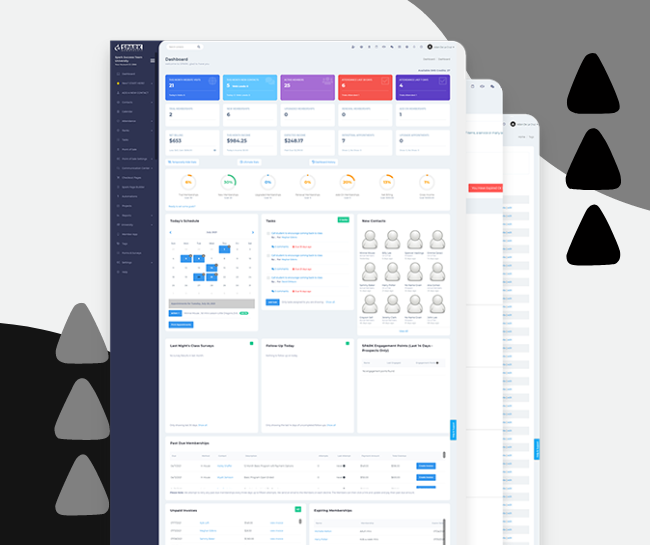
Technology helps instructors stay organized and connected. Management tools can automate reminders, track communication, and share updates.

With Spark Membership, instructors can:

  • Send automatic progress updates.
  • Log attendance and achievements.
  • Schedule events and notify parents quickly.
  • Keep all communication in one place.

These tools save time and give instructors more opportunities for meaningful, personal interactions with parents.

Parents are part of the team. When instructors communicate with empathy, clarity, and consistency, trust grows, students stay engaged, and families remain loyal. Every positive conversation strengthens the dojo and builds a community that values respect, growth, and connection.

Keeping parents informed and connected doesn’t have to be complicated. With Spark Membership, instructors can share progress updates, track attendance and achievements, and communicate with families all in one place. It makes staying connected simple, consistent, and meaningful, so parents feel confident and involved every step of the way.

Why Parent Engagement Is the Secret to Long-Term Retention

Why Parent Engagement Is the Secret to Long-Term Retention

Every dedicated young martial artist has someone cheering from the sidelines — usually a parent reminding them to practice, showing up to belt tests, and celebrating every small win. But a lot of martial arts schools miss how much influence those parents actually have. They’re not just paying for lessons. They’re part of what keeps students motivated and connected to your school.

When parents feel like they belong, they naturally encourage attendance, spread positive feedback, and tell other families about you. That kind of connection builds more than retention; it builds a community that lasts. This guide breaks down why parent engagement matters and how to make it part of your daily routine inside the dojo.

Parent Recognition Is The Secret To Powerful Student Results #martialartsbusinessowner

Why Parent Engagement Matters in Martial Arts Schools

Success in a martial arts program isn’t only about earning belts. It’s about students staying consistent. And that consistency often depends on parents. They’re the ones pushing through the rough days, keeping routines steady, and celebrating progress.

When parents clearly see how valuable your program is, they turn into your biggest supporters. They talk about your school, post about classes, and make sure their kids never miss a session. That level of commitment grows from steady communication, recognition, and involvement. Those three things help parents feel like real partners in what you’re building.

How Parent Engagement Directly Impacts Retention

When parents feel connected, their kids stick around longer. Simple as that. Communication helps them feel confident that they chose the right school. Getting them involved keeps them loyal. Families that feel part of your community don’t leave easily — not for schedule conflicts, not for price.

Retention rises when parents can see and feel the results. When they notice their child becoming more focused, respectful, or confident, they associate that growth with your school. That emotional tie is what keeps families around long after the first few belts.

The Benefits of Parent Involvement in Martial Arts Programs

Parent engagement isn’t just good for attendance. It changes the entire culture of a dojo. A school with active, involved families feels alive — it builds energy that reaches beyond the mat.

Here’s what happens when parents are involved:

  • Better accountability. Kids show up because their parents understand what’s expected and help reinforce it.
  • Higher morale. Parents who show up for events and support others make the environment welcoming.
  • Fewer misunderstandings. Open communication clears up confusion about rules or expectations.
  • More referrals. When parents feel connected, they naturally talk about your school to other families.

A dojo where families grow together becomes a place people want to stay.

Practical Engagement Strategies for Martial Arts School Owners

Building parent engagement isn’t about big marketing campaigns. It’s about small, steady actions that show families you care.

  1. Communicate Regularly and Transparently

Most parents stop feeling connected when they don’t know what’s happening. Regular updates fix that.

Send short, consistent messages about what their kids are learning, how they’re improving, and what’s coming next. Use email, text, or your member app. Add quick visuals — maybe a class photo or a short clip from training. Those little moments help parents feel like they’re part of the journey.

  1. Celebrate Student Achievements with Parents

Every win matters, big or small. When parents are part of those moments, they feel proud to be connected to your school.

Recognition doesn’t have to wait for belt ceremonies. Call out hard work, good leadership, or consistent attendance. A quick message like, “Ethan showed great focus this week!” can go a long way.

Ideas to make it special:

  • Let parents present awards during ceremonies
  • Feature milestone stories in newsletters or social posts
  • Publicly thank parents who’ve been supportive

💡A little recognition builds loyalty faster than any discount ever could.

  1. Create Family-Centered Events

Parents want to feel your school is a positive, welcoming space. Family events help make that real.

Think about hosting things like family open mats, parent-student classes, or community picnics. They don’t need to be fancy. What matters is connection. When parents get to experience the school’s atmosphere for themselves, it strengthens their trust and commitment.

These events also give instructors a chance to chat casually with parents, which helps build stronger relationships over time.

  1. Offer Progress Insights Through Technology

Parents like knowing how their child is doing. Using digital tools makes it easy to share updates without taking up extra time.

If you use Spark Membership, you can give parents access to dashboards that show attendance, achievements, and test schedules. Send quick updates or notes from instructors. It helps families see the value of your program right on their phone, without needing to ask for updates.

Transparency like that keeps parents confident and engaged.

  1. Provide Educational Resources

A lot of parents don’t realize that martial arts teaches far more than physical skill. Help them see that.

Share short reads or social posts about how martial arts builds confidence, respect, and self-discipline. You can also tie these traits to parenting tips, showing how training supports growth at home too.

When parents understand that what you teach helps shape who their child becomes, they’ll see martial arts as a long-term investment, not just another after-school activity.

  1. Encourage Two-Way Feedback

Feedback is a conversation, not a formality. Parents appreciate when their opinions shape the school experience. Create easy ways for them to share feedback after events, tests, or trials.

You can:

  • Hold quarterly “parent connection” sessions
  • Follow up personally after feedback is received

💡 Listening doesn’t mean agreeing with everything—it means showing that their voice matters. This builds trust and keeps parents engaged.

  1. Recognize Parents as Part of the Community

Parents do a lot behind the scenes — driving to class, supporting events, and keeping schedules consistent. Recognize that effort.

You could feature a “Parent of the Month,” send thank-you notes, or simply acknowledge active parents at community gatherings. It doesn’t have to be formal. A simple thank-you makes people feel appreciated and keeps them involved.

Small acts of gratitude often create the strongest bonds.

How Spark Membership Helps Build Parent Engagement

How Spark Membership Helps Build Parent Engagement

Handling all this communication and recognition manually can take time. That’s where Spark Membership makes things easier.

With Spark Membership, you can:

  • Send automated updates about student progress, attendance, and events
  • Track engagement trends to identify active and at-risk families
  • Simplify recognition with digital certificates and announcements

💡 It’s a simple way to stay organized while keeping families connected and informed.

A martial arts school that keeps parents engaged doesn’t just grow in numbers. It grows in loyalty, energy, and community spirit. Parents are the link between home and dojo, carrying your values forward every day.

When families feel appreciated and included, they stay committed. And that commitment helps your school thrive for years to come.

Want to keep parents more connected? Try Spark Membership and start building a stronger, more loyal community today.

Why Martial Arts Schools Struggle With Revenue Growth

Why Martial Arts Schools Struggle With Revenue Growth

Passion often starts at school. Teaching, late-night lesson plans, and the community that gathers on mats — these are the reasons dojos open. Still, heart and hustle do not always pay the bills. Many schools run on tight margins in the 10 to 15 percent range. Some do not see a profit for two to three years. Add seasonal drops in sign-ups, rising costs, and a heavy reliance on tuition, and growth stalls. A lot of owners end up in survival mode instead of scaling up.

The better news is that growth is possible if systems exist to support the mission. When the main revenue leaks are identified and fixed, the bottom line improves. This guide names the common money problems, explains why they happen, and lays out practical fixes so schools can move from just getting by to steady, long-term success.

The Financial Reality of Martial Arts Schools

The Financial Reality of Martial Arts Schools

Before trying solutions, get clear on the financial facts.

  • Net Profit Margins: Most schools keep roughly 10 to 15 percent after expenses. That means $20,000 in revenue might leave just $2,000 to $3,000. Small changes in cost or enrollment quickly erase that cushion.
  • Break-Even Timeline: Typical payback for startup costs lands between 24 and 36 months. Without careful planning, some operations never move past break-even.
  • Seasonal Fluctuations: Sign-ups commonly spike in January and September. Summer and holiday periods tend to dip. If those swings are not planned for, cash flow gets tight fast.
  • Passion vs. Profitability: Many owners pour energy into teaching and community, but financial systems get left behind. That gap is where growth stalls.

💡 Seeing these numbers makes it clear why revenue issues repeat across the industry. The next step is to find where money is leaking and patch those holes.

Common Revenue Struggles Martial Arts Schools Face

Running a dojo includes far more than running classes. Many schools hit the same obstacles that quietly limit growth. Spotting these weak points lets a school start fixing them.

Limited Pricing Models

Relying on one flat tuition keeps things simple, but it caps potential revenue. Families vary. Some want budget entry points. Others will pay more for premium coaching or perks.

Tiered membership options open more doors and make the school appeal to more household types:

  • Basic Plan: Two classes per week, a gentle start for beginners.
  • Premium Plan: Unlimited classes plus access to special seminars.
  • Family Plan: Discounted rates for multiple siblings or parents who train together.
  • Elite Plan: Private lessons, competition prep, and extra benefits.

💡Only a small upgrade rate can produce a noticeable lift in monthly cash flow without adding more heads to the roster.

Lack of Diversified Revenue Streams

Tuition as the sole income stream leaves a school exposed. Every cancellation or dropout becomes a hard hit. Diversity in revenue smooths the ride and reduces risk.

Consider pairing tuition with other stable income sources:

  • Merchandise and gear sales
  • Birthday parties and after-school clubs
  • Specialized workshops and weekend seminars
  • Online memberships for remote learners or traveling families

Multiple streams working together make cash flow steadier and reduce reliance on new sign-ups every month.

Untapped Merchandise Sales

Merchandise is more than uniforms. It builds pride and creates a small but steady revenue stream. Too often, families buy gear elsewhere, and the school misses out.

Stock the essentials and add branded items to make buying simple for parents and students:

  • Official uniforms and belts
  • Branded shirts, hoodies, bags, and water bottles
  • Training gear like gloves, pads, and mouthguards
  • Starter bundles for new students that include a uniform and branded items

💡 Merchandise typically adds around 5 to 10 percent to revenue while turning students into brand ambassadors.

Inefficient Class Scheduling

Empty slots and overcrowded peak classes both hold growth back. A mismatched schedule wastes space and frustrates families who cannot find convenient times.

Make scheduling work harder with focused changes:

  • Analyze attendance and concentrate on the most popular slots
  • Add beginner intro sessions during quieter hours
  • Try formats like lunch-hour classes or parent-and-child sessions
  • Balance advanced and beginner groups so classes flow better

Improved scheduling raises capacity, smooths the student experience, and boosts retention without adding more facility cost.

Weak Retention and Loyalty Programs

New sign-ups matter, but retention drives long-term revenue. High churn forces constant recruitment and wastes marketing spend.

Simple loyalty moves keep people training longer:

  • Celebrate belt promotions with small ceremonies
  • Track attendance and reward steady participation
  • Send birthday and training anniversary messages
  • Create milestone awards so progress feels real

A student who trains for three years contributes far more value than a trial member who leaves after one month. Keep students engaged, and the finances improve.

Minimal Community Partnerships

Do not let the dojo sit hidden. Without community ties, growth relies on ads and hope. Partnerships put a school in front of families who already trust local groups.

Ways to connect locally:

  • Partner with gyms or wellness centers for cross-promotions
  • Sponsor local youth teams or community events
  • Offer after-school martial arts clubs with PTA support

These efforts increase visibility and send qualified families to the school with a higher chance of joining.

Overlooking Special Classes and Specialized Training

Core classes keep the floor full, but special programs create upsell chances and attract new audiences. Missing this means missed income and lower engagement.

Consider adding focused offerings like:

  • Self-defense workshops
  • Competition team preparation
  • Advanced seminars for higher belts

Special classes raise perceived value, deepen commitment, and bring fresh revenue paths.

Marketing and Seasonal Growth Opportunities

Visibility equals leads. When marketing is occasional, seasonal peaks are missed, and competitors move faster.

Plan marketing around the calendar to capture demand:

  • Run back-to-school and New Year enrollment campaigns
  • Offer summer camps to offset slower months
  • Invest in steady Facebook and Google ads to stay visible year-round
  • Combine community events with digital outreach for wider reach

Consistent marketing produces a steadier flow of leads instead of random spikes that disappear after a weekend.

Building a Sustainable Growth Plan

Successful schools treat growth as a system. One tactic does not fix everything. A handful of aligned moves creates real momentum.

  • Offer tiered pricing so families can upgrade as needs change
  • Add diverse revenue streams so income does not hinge on tuition alone
  • Strengthen retention programs so students stay longer
  • Optimize class scheduling to use space smartly
  • Reinvest profits into marketing, staff training, and facility improvements
  • Adopt technology like Spark to automate admin, track KPIs, and free up time for coaching

💡 When these pieces align, growth becomes predictable and manageable. Passion must meet process. Systems are the support that turns a good school into a sustainable business.


There is no need to change everything at once. Pick one strategy, refine it, then add the next. Each improvement compounds and pushes the school toward stability and growth.

The dojo should be more than a training room. With the right systems, it becomes a community hub that stands strong financially and changes lives for years to come.

Make growth easier with the right tools. Automating billing, tracking retention, and keeping class rosters tidy frees up time to coach and build community. Spark Membership Software fits naturally into the workflow and centralizes those tasks so revenue strategies actually get followed.

Branding Struggles for Martial Arts Schools Explained

Branding Struggles for Martial Arts Schools Explained

Running a martial arts school is not only about leading great classes. It is about shaping an identity that the community recognizes, respects, and remembers. Families often compare several options within a short drive. Students juggle many interests. Competition feels constant. Without a strong and recognizable brand, even a program with skilled instruction and proven results can fade into the background.

A strong brand tells people who you are, what you believe in, and why they should commit for the long haul. It creates distinction in a crowded market. This guide looks closely at common branding challenges schools encounter and presents strategies for building clarity, consistency, and loyalty. The sections below explain how to define identity, tell a story that sticks, keep messages aligned, strengthen online presence, generate and nurture leads, reduce churn, and use technology and community touchpoints to build trust. With steady action, daily operations become a brand experience that inspires commitment and supports long-term growth.

The Biggest Branding Challenges for Martial Arts Schools

Martial arts school owner contemplating branding strategies in a dojo setting

Branding challenges are not just “marketing problems.” They are growth blockers that affect sign-ups, referrals, and long-term loyalty. If a school cannot clearly express what makes it special, it risks blending into a market where many claim the same benefits. Confusion spreads. Momentum slows. Trust weakens.

Unclear brand identity

Without clearly defined values, a distinct philosophy, and a unique offering, a school becomes another name on a search results page. If parents or adult students cannot quickly spot what sets it apart, they choose based on convenience or price. A strong identity gives families a reason to travel farther, pay more, and commit longer.

Inconsistent messaging

When the website says one thing, social media signals another, and print materials tell a different story, credibility suffers. Disconnected visuals and mismatched tone create friction. Students and parents should see and feel the same personality, values, and standards every time they interact with the brand. Consistency makes a dojo recognizable in seconds.

Poor online visibility

Even excellent instruction struggles to grow if people cannot find it. Weak local search, outdated websites, incomplete business profiles, and a thin review footprint push a school out of sight. Families searching “karate near me” or “martial arts classes for kids” will land on competitors instead. Strong visibility places the school where prospects already look.

Lead generation gaps

Relying only on word-of-mouth or sporadic posting leaves opportunity on the table. Without systems that capture leads, respond quickly, and nurture interest, many inquiries disappear before a visit is booked. Clear calls-to-action, automated follow-ups, and basic CRM tracking ensure every prospect receives timely attention.

High student churn

Enrollment does not equal growth if students exit quickly. High churn damages revenue and reputation. It often signals mismatched expectations, low engagement, or inconsistent quality. Long-term students do more than pay tuition. They refer friends, leave strong reviews, and become part of the school’s story. Protecting retention protects the brand.

💡 When these issues stack up, progress stalls and recovery feels difficult. Addressing them early keeps the school steady. Clear identity and dependable systems restore traction and confidence.

Building a Unique and Authentic Martial Arts Brand

Diverse martial arts students practicing techniques in a dojo, showcasing energy and discipline

Authentic identity grows from four elements: values, storytelling, visual style, and audience insight.

  • Define values and philosophy — Discipline, respect, personal growth, and community often sit at the center. Values should guide teaching, policy, and messaging.
  • Craft a brand story — Share the reason the school exists, the transformations students achieve, and what makes the journey distinct. Real stories create emotional connection.
  • Develop a visual identity — Consistent logos, colors, fonts, and uniform designs create a cohesive look. Traditional or modern is fine, as long as it reflects the training approach.
  • Know the audience — Segment by age, goals, and skill level. Parents motivated by structure and character growth respond to different messages than adults focused on fitness or self-defense.

Leveraging Technology to Strengthen Your Brand

Technology signals reliability and respect for time. If a parent books a trial in minutes or a busy adult reschedules from a phone without back-and-forth, trust rises. That smooth experience becomes part of the brand’s reputation.

Practical ways to use tech as a branding tool:

  • Smart scheduling systems so every student knows where to be and receives instant updates if plans change
  • Student portals for progress tracking, payment history, and announcements, which build transparency
  • Automated follow-ups after trials or absences, showing each student’s path matter

💡 With systems working quietly in the background, focus shifts to training and connection. The seamless feel becomes part of the identity people remember.

Building Loyalty Through Community Engagement

Loyalty grows beyond class time. A school that connects on and off the mats builds bonds that promotions or discounts cannot replace. People stay where they feel they belong.

Ways to strengthen that connection:

  • Story-driven events, such as belt ceremonies, that include a short message about each student’s progress and character growth
  • Community involvement, including self-defense workshops for local schools or free sessions for underserved youth
  • Shared traditions like an annual anniversary celebration that students look forward to every year

These touchpoints turn the school into part of a personal story. That is why students stay and families refer friends.

Monitoring and Improving Your Brand Over Time

A brand stays sharp through consistent attention. Trends shift. Competitors adapt. Community expectations change. Treat brand work like ongoing training.

Here is how to keep improving:

  • Regular brand audits: Review website, social channels, and in-person experience to ensure they tell the same story
  • Direct feedback loops: Short surveys after events or classes uncover small frustrations before they grow
  • Performance tracking: Monitor retention, referral rate, and lead-to-sign-up conversion to see where the brand wins and where it needs focus

Small, data-driven changes compound over time. An average brand becomes a standout presence in the local market through steady repetition and careful refinement.

A strong martial arts brand blends identity, consistency, visibility, and community connection. With clear values, smooth operations, and a genuine presence in the neighborhood, a school stands out naturally. In a competitive market, the schools that win are the ones people remember for the training and for the full experience of belonging.

That full experience also depends on how smoothly a school is run behind the scenes. The right tools can make operations less stressful and far more consistent, which frees up time to focus on students and the community. Spark Membership Software was built with that in mind, helping schools manage schedules, billing, and communication all in one place so the focus stays on growing the brand and strengthening the bonds that keep students coming back.

How Do I Handle Pricing Objections From Prospective Martial Arts Students

Let us be real. When a parent or potential student says, “It’s too expensive,” the words rarely stick to money alone. Often, the value has not landed yet. This guide speaks to school owners who want to go past surface-level objections, uncover what truly holds people back, respond with clarity, build trust, and enroll more students.

Understanding the Root of Pricing Objections

Martial arts instructor demonstrating techniques to a young student in a dojo, emphasizing personal growth

A pause over price usually signals that the value is not clear. The hesitation might come from uncertainty about commitment, a comparison to a local gym or free tutorial videos, or even a parent questioning whether their child will stick with it. The task is to close that gap so the benefits show up plainly.

Why Do Students Say No?

  • They do not see how the program stands apart from cheaper or free options.
  • They are unsure whether martial arts will fit into their schedule.
  • They are not convinced it is worth the time, effort, or money.
  • They want to enroll, yet struggle to justify the cost at home.
  • These are not dead ends. They are signposts that show exactly where trust needs building.

How to Discover the Real Objection

Most price pushback is not truly about dollars. The path to the truth is smart questions that invite honest answers. Yes or no will not do much work here.

Start with:

  • “What are you hoping martial arts will help you or your child with?”
  • “What is the biggest hesitation about starting right now?”
  • “If price was not the issue, would you feel ready to move forward?”

💡These questions separate real budget limits from doubts about value, timing, or decision confidence. Once the cause is clear, the response can be personal and helpful rather than pushy.

Shifting the Conversation to Value

If the pitch focuses on schedules and belt levels, price becomes the spotlight. People need to hear what their money buys in their lives. Martial arts is more than an hour on the timetable. It changes patterns, habits, and outcomes.

Show benefits that reach far beyond the mat:

  • Discipline and Focus: Training builds attention and follow-through that show up in school, work, and daily tasks.
  • Confidence and Resilience: Challenges in class forge a belief that carries into real-world problems.
  • Self-Defense: Families gain peace of mind knowing students can protect themselves if necessary.
  • Community and Belonging: Training partners become a tribe. That connection keeps students returning.

💡Link outcomes to what matters to the prospect. Use real stories and parent testimonials so the value feels concrete, not abstract.

Flexible Pricing Models That Help

Some families see the value and still wrestle with the budget. Flexibility does not lower worth. It signals empathy and makes enrollment accessible.

Smart Options That Support Your Families:

  • Tiered Memberships: Offer Basic, Unlimited, or Premium so families can choose what fits their needs.
  • Family Discounts: Make it easier for siblings or multiple family members to join without excessive strain.
  • Trial Classes or Short-Term Packages: Reduce the risk and let prospects test the waters.
  • Monthly or Weekly Payment Plans: Smaller installments ease pressure and keep momentum.

Willingness to work with families builds trust and often becomes the tipping point.

Handling “I Need to Think About It”

This line shows up often. Usually, it is not a firm no. It is the fear of choosing wrong. The goal is to make the next step feel smaller and safer.

Helpful moves include:

  • Friendly Urgency: Mention limited space or a deadline without heavy pressure.
  • Low-Risk Offers: Provide a week of training with no long-term commitment so the value can be felt first-hand.
  • Thoughtful Follow-Up: A quick personal message after the trial, asking how it went, shows care and keeps momentum alive.

Give space for decisions yet guide with clarity. Many prospects need one small nudge to say yes.

Train Staff to Respond Like Pros

Systems matter and people matter. Staff need skills to answer with clarity, warmth, and consistency. Done well, objections become openings.

Ways to build team consistency:

  • Script Cheat Sheets: Provide simple talking points for common objections.
  • Practice Makes Confident: Run regular role-plays to sharpen delivery.
  • Messaging Templates: Ready-to-send emails and texts that match the brand voice.
  • Weekly Staff Huddles: Review wins, troubleshoot challenges, and align the team.

When the whole staff leads with value, the school’s reputation and trust grow stronger.

Using Tech to Streamline Objection Handling

Manual follow-up takes time and introduces gaps. Missed calls, forgotten messages, and inconsistent timing can cost enrollments. SparkMembership helps keep outreach consistent and on time.

Technology makes this smoother:

  • Tag objections in real time so the real reason does not get lost.
  • Automate follow-up messages based on the objection to keep contact personal and prompt.
  • Track what works with built-in reports so the approach can keep improving.

💡 Instead of relying on memory, use a system that sends the right message at the right time so nothing slips through the cracks.

Handling pricing objections is not about winning an argument. It is about making the picture clear. Once families see how training changes lives, price stops looking like a wall and starts looking like a doorway.

Meet hesitation with empathy. Replace pressure with listening. Back up tuition with proof of impact. Do that consistently, and more students enroll and stay longer.

For school owners building steady growth, clarity beats pressure every time.

If you’re ready to make handling pricing objections simpler and close more enrollments, Spark Membership can help. It gives you all-in-one tools to manage your school, connect with families, and grow without the stress. Try Spark Membership and see the difference for yourself.

Is Your Class Scheduling Hurting Student Retention?

Is Your Class Scheduling Hurting Student Retention

You might have great instructors, a well-stocked facility, and excellent programs, but if your class times don’t fit your students’ routines, they won’t stick around. Many school owners focus on lessons or marketing while missing the quiet drop-off that happens when schedules are too inconvenient or strict.

Scheduling isn’t just paperwork. It’s a major factor in keeping students long-term. With the right plan, your class schedule can become one of the strongest reasons people stay at your dojo.

Why Scheduling Has Such a Big Impact on Retention

Sometimes students don’t quit because they’ve lost interest or drive — they leave because of scheduling mistakes that could have been avoided. If class times clash with their other commitments or cause needless stress, even your most committed students can lose steam. Spotting these issues early is the first step to building a schedule that keeps them coming back.

Here are some common mistakes that can slowly hurt your retention:

  • Consistency – Students thrive when classes happen at the same time each week. It makes attendance part of their routine.
  • Accessibility – Multiple time options accommodate work, school, and family commitments.

  • Community – Grouping students by skill level and keeping them together fosters bonds that make them want to come back.

Common Scheduling Mistakes That Cause Dropouts

Martial arts instructor demonstrating techniques to engaged students in a class setting

It’s often not a lack of interest or motivation that causes students to leave — it’s preventable scheduling errors. When timetables clash with real-life commitments or create unnecessary frustration, even the most dedicated students can lose momentum. Recognizing these pitfalls is the first step toward creating a schedule that keeps students engaged for the long haul.

Avoid these common mistakes that quietly chip away at your retention rates:

  • Inflexible time slots – Forcing students into a single option leaves no room for unexpected life events.
  • No makeup opportunities – Missing a week or two can create skill gaps that frustrate learners.
  • Last-minute schedule changes without notice – Breaks trust and disrupts training habits.
  • Peak-demand classes at inconvenient hours – Offering your most popular programs at times when your target students can’t attend wastes growth potential.
  • Not grouping by skill level – Mixed-level classes without proper planning can discourage beginners and bore advanced students.
  • Lack of seasonal adjustments – Ignoring school calendars, holidays, or local events can lead to predictable drops in attendance.
  • Poor communication channels – Relying solely on in-class announcements for schedule changes misses students who are absent that day.

How to Build a Retention-Friendly Schedule

A great class schedule works for everyone — students and instructors alike. It should make training something people look forward to each week, not something they have to squeeze in or stress over. When it’s convenient, consistent, and enjoyable, students have every reason to keep coming back.

Review your attendance data regularly

Don’t just guess. Check your class numbers every month so you can see which ones are full and which aren’t doing well. If a class always has a waitlist, add another time for it. If a class is often empty, try moving it to a better time. For example, if your advanced class at 4 p.m. is always quiet, switch it to the evening when more students can come. Small changes like this can make a big difference.

Create flexible pathways for participation

Students leave when life gets in the way, so give them options that prevent training gaps from turning into cancellations. This could include:

  • Offering at least two time slots per week for each skill level.
  • Adding drop-in or makeup sessions to recover from missed classes.
  • Rotating seasonal timetables to align with school breaks, exam weeks, or holidays.

These small adjustments communicate that you value their commitment and will work around their life, not against it.

Match instructors to the right classes

Class quality matters just as much as when you schedule the classes. Put your most lively and engaging teachers in the busiest times. Those are the spots where they can make the biggest difference in keeping students coming back. For new or less experienced coaches, it’s better to place them with senior instructors or in smaller classes. This helps them learn and get better without feeling overwhelmed. Sometimes, switching assistants or bringing in guest teachers at different times can keep things interesting. It gives students a chance to see different teaching styles without slowing down their progress.

💡 When you use attendance data to plan, stay flexible, and think carefully about where each instructor fits best, you build a schedule that feels made just for your students. That kind of care is what keeps students showing up again and again.

How Spark Membership Supports Better Scheduling

Manual scheduling can quickly become a headache. Spark Membership simplifies this with tools designed for martial arts schools.

Key features for retention:

  • Automatic waitlists to maximize class fill rates.
  • Calendar sync to prevent schedule errors.
  • Automated reminders via SMS and email to reduce no-shows.
  • Real-time attendance tracking to spot students at risk of dropping out.

When you bring together scheduling, communication, and attendance info all in one spot, Spark takes the guesswork out of running your school. It helps you spot problems early so you can step in before a student drops out.

💡 Keeping students isn’t just about the schedule. It’s about building a strong community, creating personal learning paths, and listening to feedback that keeps students feeling motivated and valued.

Retention Strategies Beyond Scheduling?

Martial arts community event celebrating student achievements and fostering connections

While scheduling is a major driver of student loyalty, it’s only one piece of the retention puzzle. To truly keep students committed for the long term, you need to create an environment where they feel connected, supported, and valued every time they walk through your doors. This means building community, recognizing progress, and actively listening to feedback so students know their input shapes the dojo experience.

Here are proven ways to strengthen retention beyond just setting the right timetable:

  • Host monthly belt ceremonies or open mat socials to celebrate progress and give students time to bond outside regular classes.
  • Organize charity events or self-defense workshops that allow students to apply their skills in meaningful ways and feel proud of their membership.
  • Create team challenges or attendance competitions to encourage consistency and add a fun, gamified element to training.
  • Set personalized milestones for each student based on their goals, whether that’s achieving a specific belt rank, improving fitness, or preparing for competition.
  • Use visual progress trackers in the dojo or your student app so students can see their journey unfold and stay motivated.
  • Celebrate small wins like attendance streaks or skill breakthroughs to keep morale high and reinforce the value of showing up regularly.
  • Send quarterly surveys or short feedback forms to learn what students enjoy and where improvements can be made.
  • Review student feedback in instructor meetings so the entire teaching team is aligned on adjustments and new ideas.
  • Experiment with small schedule or format changes based on feedback, then track how these changes affect attendance and engagement before making them permanent.

When you combine these community-building efforts with careful scheduling, your dojo becomes more than just a training space — it turns into a place your students truly belong and don’t want to leave.

Scheduling isn’t only about setting times. It’s about making your students’ training experience smooth and easy. A schedule that is consistent, flexible, and well communicated helps students show up regularly, improve steadily, and stay connected to your dojo over time.

That’s where Spark Membership can help. By bringing your scheduling, communication, and attendance tracking into one easy-to-use platform, Spark removes guesswork and helps you create a schedule that fits your students’ lives — keeping them engaged and coming back for the long haul. Give Spark a try and see how it can transform the way you manage your dojo’s growth and retention.

Is Your Martial Arts School Reaching Its Maximum Potential?

Is Your Martial Arts School Reaching Its Maximum Potential?

Success is more than having a packed class schedule and steady payments. If students leave too soon, if signups feel slow, or if the daily grind is wearing you out, something needs to change. Schools don’t grow by chance. They grow because there’s a plan, smart habits, and the flexibility to make changes without losing sight of what matters.

This is about real, workable steps to bring in more students, keep them motivated, make everyday tasks simpler, and run a school that’s organized, steady, and moving forward without burning you out.

How to Attract More Students (Without Wasting Your Budget)

Diverse martial arts students practicing techniques in a well-lit dojo, emphasizing community and growth

Getting more students starts with clarity: who are you targeting, and what message makes them act? Martial arts marketing that tries to reach everyone usually reaches no one.

Local Visibility

Your future students are already searching—”karate near me,” “taekwondo classes for kids,” or “self-defense in [your city].” If you’re not showing up for those searches, you’re invisible. Here’s where to start:

  • Local SEO keywords: Add city or neighborhood names to your website content and title tags
  • Online reviews: Encourage current students to leave thoughtful reviews and respond to them all

Referral Systems

Word-of-mouth still works, but only if you make it easy and rewarding. Offer simple, no-fuss incentives like:

  • Tuition credit for each referred student
  • Bonus gear or private lessons
  • Public shoutouts on social media or at belt ceremonies

Content That Builds Trust

Use blog posts, short videos, and FAQs to answer real questions like “Is martial arts safe for kids?” or “How long does it take to earn a black belt?” This builds confidence before people walk through your doors.

Keep Students Longer: Building a Retention-Focused Culture

Acquiring students is only half the game. The real win comes from keeping them excited to come back week after week.

Instructor-Student Connection

Use names. Give feedback that’s personal. Point out improvements, even small ones. When students feel noticed, they stick around.

Make Progress Visible

If students don’t see progress, they lose interest. Use tools like tracking charts, progress updates, and ceremonies to help them feel that every small win counts.

Build Community

Classes feel stronger when people feel connected. Host events like sparring nights, appreciation days, or meetups. The more students bond, the more likely they are to stay.

Streamlining School Operations Without Sacrificing Quality

Martial arts instructor leading a self-defense workshop, showcasing community engagement and marketing effectiveness

Running a martial arts school means juggling a hundred small tasks daily—from billing and scheduling to answering texts from parents. That gets overwhelming fast without systems in place.

Why Efficiency Matters

Every minute spent chasing payments or replying to the same question could be used to teach or improve classes. Good systems don’t just save time—they protect your focus.

Key Tools to Automate

  • Automated billing: Reduces late payments and keeps your cash flow predictable
  • Class scheduling software: Let students reserve spots through a mobile app
  • Two-way messaging: Answer parent questions and send reminders without constant phone calls
  • Progress tracking dashboards: Keep instructors aligned and parents in the loop

💡 These tools don’t replace people. They give your team time to do what matters most—teach and connect.

Build a Business That Grows Beyond Just Enrollment

If all your revenue depends on new students walking in each month, you’re vulnerable. Growth also comes from depth—more ways to serve your current members and reach new audiences.

Offer More Than Just Classes

  • Private lessons for faster progress
  • Specialty workshops like self-defense or weapons training
  • After-school or holiday programs

These options bring in more revenue without needing more space.hout needing more physical space.

Partnerships That Expand Your Reach

Work with:

  • Local schools for after-class programs
  • Gyms for joint events
  • Companies for workplace safety sessions

It’s a simple way to get in front of new people who already trust the partner you’re working with.

💡 These collaborations help position your dojo as a valuable resource in the community—not just another business.

Use Data to Measure, Adapt, and Stay Ahead

You can’t improve what you don’t measure. Regularly reviewing your performance helps you make smarter choices instead of gut decisions.

Metrics That Matter

Track:

  • Monthly enrollment numbers
  • Revenue per student
  • Attendance rates vs. class capacity
  • Lead-to-signup conversion rate

When you track these consistently, patterns emerge—and so do opportunities for growth.

Let Software Make It Easy

Trying to manage it all in spreadsheets wastes time. Tools like Spark Membership bring your data into one place, track what’s underperforming, and make everything easier to understand.

How Spark Membership Supports Every Growth Stage

Spark was built by martial artists for martial artists. It’s made to help you grow without working yourself into the ground. You get:

  • Lead capture and follow-up tools
  • Student progress tracking and reminders
  • All-in-one billing, scheduling, and messaging
  • Clear dashboards that show how your school is doing

If your school feels stuck, you don’t need to add more hours. You need the right systems. Bring in the right students. Keep them excited. Spend less time buried in admin. That’s how real growth happens—and Spark Membership is built for it.

What Drives Higher Attendance in Martial Arts Schools

What Drives Higher Attendance in Martial Arts Schools

Strong attendance keeps a martial arts school alive. It brings energy to the mats, keeps students moving forward, and makes income steady. But with so many other things pulling students away—sports, clubs, packed family schedules—staying full isn’t easy. So how do you keep them coming back? And how do you keep new faces walking through the door?

This guide breaks down what actually helps attendance stay strong. Not just guesses—real strategies that work. Learn why attendance affects the school’s growth, what habits keep students from dropping out, and how to bring in more without chasing every trend. Inside, you’ll find tips on quality instruction, class variety, flexible schedules, strong community, and marketing that brings results.

Each piece fits together. The goal isn’t to work harder—it’s to work smarter. With the right tools and a solid plan, your school can stay full, focused, and ready to grow.

Why Attendance Is the Key to Profitability and Growth

a dynamic martial arts training session takes place in a modern dojo, showcasing a diverse group of focused students in striking poses against the backdrop of sleek, minimalist décor that emphasizes discipline and personal growth.

Consistent attendance isn’t just about full mats—it’s about sustainability. Every missed class increases the likelihood of a dropout, and every dropout means lost revenue. According to retention studies, schools that maintain at least 75% attendance consistency report higher renewal rates and lower acquisition costs.

Simply put: attendance = retention = revenue.

So, how do you make your martial arts school the place students never want to skip? Let’s break it down.

  1. Expert Instruction: The Backbone of Retention

Parents and adult students alike prioritize quality instruction. When instructors are not only skilled but also engaging and approachable, attendance naturally improves. Students look forward to class, progress faster, and feel supported in their journey.

  • Credibility Builds Trust: Certified instructors reduce safety concerns and elevate your brand’s reputation.
  • Motivation Keeps Students Coming Back: An instructor who celebrates progress and personalizes feedback creates an environment where students feel valued.
  • Structure Promotes Consistency: Clear lesson plans and progression systems give students tangible goals to work toward.

Showing off instructor skills builds trust and brings more people through the door. Don’t just list titles—make it real. Create a page where each instructor is seen. Use photos, short bios, maybe a clip of them teaching or giving tips. Show moments that matter—like getting new certifications or joining seminars—so people know the team is still growing, too. It’s not just about looking good on paper. It’s about helping families feel sure they’re in the right hands.

  1. Keep Students Engaged and Families Involved

Repetition can wear people down. If classes feel the same every time, students lose interest. Mixing things up keeps it fresh. Different programs give students something new to try—and give families more reasons to get everyone involved. One school, many paths. That’s how excitement stays alive.

Benefits of Program Diversity

  • Attract Multiple Audiences: From kids’ karate to adult kickboxing, diversity widens your market.
  • Cross-Training Opportunities: Students interested in fitness or self-defense can try specialized classes.
  • Family Enrollment: Family discounts combined with varied programs encourage group sign-ups.

Promoting program variety helps your school rise above the noise. Use your website and social platforms to show the energy across different classes. Highlight moments that include all ages—like parent-child sessions or family testimonials. Show that your school offers something meaningful for every member, all in one place.

  1. Build a Community That Students Can’t Leave Behind

Attendance soars when students feel like they belong to something bigger than a class. A strong community transforms students from customers into loyal advocates.

How to Create That Sense of Belonging

  • Host Regular Events: Belt ceremonies, family days, and friendly tournaments strengthen social ties.
  • Launch Mentorship Programs: Pair advanced students with beginners to foster connections.
  • Create Digital Communities: Use Facebook groups or in-app chat to keep conversations going beyond class.

Make the school feel like a real community, not just a place to train. Show what’s happening—belt tests, big wins, fun events. Post them. Let people see the energy. On social media, share the moments that matter. In newsletters, go deeper. Tell student stories. Show the struggles, the progress, the small victories. It keeps current students motivated. It helps new ones feel like they already belong.

  1. Convenience = Commitment

Life is busy. If your class schedule doesn’t align with your students’ routines, attendance will suffer. Offering multiple class times across mornings, evenings, and weekends removes barriers to participation.

Best Practices for Scheduling

  • Offer peak-time options (after-school for kids, evening for adults).
  • Use rotation systems for instructors so all students experience consistent teaching quality.
  • Implement make-up classes to reduce cancellations.

Use marketing to spotlight your flexible scheduling. Phrases like “Classes that fit your lifestyle” help parents and working adults feel seen. If you offer app-based booking, quick demo videos can show just how easy it is to reserve a spot. Flexibility sells—so make it visible.

  1. Highlight Physical and Mental Benefits

Parents enroll kids for discipline and confidence. Adults join for stress relief and fitness. The more you emphasize these benefits, the more students will prioritize attendance.

Physical Benefits

  • Builds real strength over time. Muscles work harder. Endurance grows.
  • Flexibility improves. So does balance. Movements become sharper, more controlled.
  • Helps manage weight. Keeps the heart healthy. Sweat with purpose.

Mental Benefits

  • Focus gets sharper. Distractions fade. Discipline sticks.
  • Stress gets lighter. The mind clears. Emotions settle.
  • Confidence rises. Reaching goals feels good—and that feeling lasts.

💡 Use real stories and visuals to show what training really does. Share moments where a student found focus, gained confidence, or finally felt calm again. Let those changes speak for themselves. A simple caption like “From the mat to real life” can say more than a long explanation. It makes the message hit home—and helps students stay connected to the bigger picture.

  1. Tailor Programs for Different Audiences

One-size-fits-all doesn’t work in martial arts. Customizing programs for kids, teens, adults, and seniors ensures no one feels left behind.

Targeted Approaches

  • Kids: Fun drills with discipline lessons, reward systems, and parent involvement.
  • Teens: Confidence and self-defense programs, stress relief for academic pressure.
  • Adults: Fitness-focused classes, stress management, and flexible scheduling.
  • Women: Empowerment through self-defense workshops and supportive communities.

💡 Use separate landing pages for each demographic on your website to boost SEO and conversion rates. Personalized messaging makes students feel seen—and keeps them coming back.

  1. Marketing Tactics That Drive Attendance

Even the best programs fail without visibility. Here’s how to put your school on the map:

  • Local SEO: Optimize for “martial arts classes near me” and keep Google Business updated.
  • Social Proof: Showcase testimonials and video success stories on social and your website.
  • Email & SMS Reminders: Automated reminders reduce no-shows and encourage renewals.
  • Event Marketing: Promote open houses and free trial weeks through social and community channels.

💡 Pro Tip: Schools leveraging automated marketing campaigns through SparkMembership see higher conversion rates and improved attendance consistency.

  1. Pricing & Incentives: Remove Barriers to Show Up

Price transparency and trial opportunities make it easier for families to commit—and keep coming.

Effective Pricing Models

  • Tiered Memberships: Offer multiple levels for flexibility.
  • Family Discounts: Encourage group sign-ups.
  • Trial Classes: Reduce risk and build trust.
  • Seasonal Promotions: Boost sign-ups during slow periods.

Marketing Tactics That Drive Attendance

Even great programs get ignored if no one sees them. Being found online matters. Use local SEO—words like “martial arts classes near me”—so people in the area can find the school fast. Keep the Google profile updated with real photos, clear class times, and reviews that sound like they came from actual people. Add social posts that show what really happens inside: students growing, parents cheering, instructors leading. Not ads. Just moments.

People trust people. A short clip of a student talking after class or a parent sharing their thoughts says more than any sales pitch. These real stories make others pay attention. Then come the reminders. Email. Text. Right on time. Simple nudges to keep students coming back, so no one drifts off or disappears without meaning to.

All of it can be done in one place. Spark Membership lets schools send reminders, set schedules, and build retention without juggling five tools. Use Spark Membership and make showing up the easy part.

What Parents Look for When Choosing a Martial Arts School

What Parents Look for When Choosing a Martial Arts School

Parents today aren’t making casual choices about where to send their kids after school. They’re doing their homework. Martial arts schools aren’t just fighting for attention against other dojos—they’re up against sports teams, piano recitals, chess clubs, tutoring centers, and screens that flash and ping. If a school’s going to stand out, it has to speak to what parents actually care about. And that message has to show up everywhere—from the front desk to a Facebook post.

Here’s what families are looking for, not in theory, but in practice. This is what helps a school get noticed, get chosen, and keep students coming back.

Why Understanding Parents’ Expectations Is an Advantage

a confident child engaging in a focused karate class, supervised by a skilled and certified instructor in a well-organized dojo, adorned with martial arts banners and bright overhead lighting to enhance the energetic atmosphere.

It’s easy to think parents just want a place where their kid can burn energy and learn to block a few punches. That’s part of it, sure. But most are scanning for something deeper. They’re looking at the space. The staff. The tone. The feel. They want to know their kid is safe, growing, and surrounded by people who care.

If a school puts that front and center, it builds trust early. And that trust makes enrollment decisions feel like no-brainers.

  1. Certified and Experienced Instructors: The #1 Trust Factor

This is the first place parents look—and where most decisions get made. Credentials matter. They signal structure. Experience. Safety. If a parent can’t figure out who’s leading the class or what qualifies them, they’re going to look somewhere else.

Parents want instructors who know how to manage a class full of wild energy, teach discipline without being harsh, and guide progress without pushing too hard. They’re scanning for someone who gets kids.

Make it easy to find that info. Create short videos that show instructors in action. Post about continuing education. If someone on staff has training in child psychology or experience teaching special needs students, don’t keep it a secret. Put it where people will see it.

Build a “Meet Our Instructors” page that ranks for local searches like “certified karate teacher near [City].”

  1. A Family-Friendly Environment That Builds Community

The way a school feels matters. If parents walk in and feel like outsiders—or worse, like they’re interrupting something—they probably won’t be back. But if the vibe is warm, if the energy feels upbeat, if people smile and say hi—it changes everything.

Families stay longer when the space feels good. They’ll bring siblings. Tell friends. Join in. Loyalty grows where people feel welcome.

Photos help. So do short clips of family nights, parent-kid classes, or random goofy moments. Feature reviews that talk about how kind the staff is or how easy it was to settle in. Mention referral deals or family discounts on your website. Keep the tone friendly, not salesy.

  1. Comprehensive Curriculum for Holistic Development

Parents want more than technique. They’re looking for growth—real growth. Confidence. Focus. Emotional control. They want to know their kid isn’t just learning how to spar, but how to show up in life with strength and character.

That’s where a clear curriculum comes in. It helps them understand where things are headed. What each belt means. What lessons are being taught along the way?

Lay that out online in plain language. Break it down by age or level. Use blog posts to explore topics like “Why Martial Arts Helps Kids Handle Frustration” or “What That White Belt Really Means.” Share stories of kids moving up—celebrate progress in ways that feel real, not forced.

  1. Safety and Facility Standards: A Non-Negotiable

Nothing turns a parent off faster than a sticky floor or worn-down equipment. They’re not just looking at what’s being taught—they’re watching how the space is cared for. Clean mats, clear rules, organized classes. That stuff sticks.

They’ll notice if kids are warming up with purpose. If the gear looks fresh and well-maintained. If instructors step in quickly and calmly when needed.

Show it off. Post videos of how the space is cleaned. Add a safety section to your FAQ. Walk parents through your gear checks and first aid training during tours. These little moments shape big decisions.

A free download like “5 Safety Questions Every Parent Should Ask Before Enrolling” can also bring in leads and set your school apart.

  1. Flexible Pricing and Trial Classes to Lower Barriers

Parents aren’t always hunting for the cheapest price. But they do want clarity. If pricing feels vague or trial classes come with strings attached, they’ll back off.

Flexibility matters. Free trials. Month-to-month options. Sibling discounts. These are small gestures that make a big difference.

Promote trial offers where parents are scrolling—Facebook, Instagram, local groups. Add countdowns or limited-time offers to nudge decisions: “Enroll by Friday, Get Your First Week Free.” Keep pricing visible. Don’t hide it behind a contact form or a hard sell.

  1. Location and Convenience Still Matter

A great school that’s 45 minutes away is a hard sell. Parents are balancing work, other kids, dinner, and sleep schedules. If a school’s location or schedule creates stress, it’s going to lose potential students, no matter how good the classes are.

Make your address and hours easy to find. Mention parking, traffic patterns, or nearby schools in your listings. Offer evening or weekend classes to catch families who can’t make weekday afternoons work.

Use keywords like “karate for kids near [City]” to improve local search visibility.

  1. Community Engagement and Social Proof Drive Trust

Parents don’t just want classes—they want connection. They want to feel like their kid is part of something. Like their family is more than just a payment on a spreadsheet.

Celebrate wins, big or small. Post about belt promotions, team events, fundraisers, or fun days. Share clips of kids helping each other or cheering teammates on. Ask families to give short video testimonials about their experience—these build more trust than five-star reviews ever could.

  1. Marketing Strategies That Align With Parental Priorities

Once you know what parents are looking for, every piece of marketing should reflect it. Not just the website, but emails, posts, and ads. Keep everything pointing in the same direction.

Break your site into sections: instructor bios, curriculum, safety, and testimonials. Don’t make people dig for info. Use local SEO terms like “safe martial arts for kids in [City]” or “karate classes that build confidence.”

💡 Social content should feel personal. Post short wins, funny moments, and family stories. Email campaigns should offer more than promotions—include parenting tips, progress updates, or community news.

Run ads with messages that stick. Words like “confidence,” “focus,” “discipline,” and “respect” hit home harder than “limited-time offer” ever will.

Parents aren’t looking for perfection. They’re looking for a place that feels safe, consistent, and honest. A school that cares. One that teaches well and leads with purpose. Show them that—and keep showing them—and they’ll stick around.

Spark Membership helps schools run smoothly and grow faster. From communication to marketing to retention, it handles the back-end so owners can focus on what really matters: the students.

Why Progress Tracking Is Essential for Martial Arts Schools

Why Progress Tracking Is Essential for Martial Arts Schools

In today’s competitive martial arts world, teaching great classes isn’t enough—you’ve got to show students (and their parents) that they’re actually improving. That’s where progress tracking comes in. It boosts motivation, improves retention, helps tailor instruction, and gives you clear data to grow your business.

Let’s dig into the key reasons why progress tracking isn’t just helpful—it’s essential.

  1. Motivation That Moves Students Forward

a dynamic martial arts training studio filled with focused students engaged in various techniques, while vibrant digital progress charts display their achievements and milestones prominently on the walls, emphasizing motivation and personal growth.

When students can actually see their progress, they’re more likely to stay engaged and push themselves further. Whether it’s through belt tracking, badges, or visual dashboards, celebrating wins—big or small—keeps momentum going.

Imagine showing a student they’ve improved sparring endurance by 20% or mastered a kata they struggled with last month. That’s not just motivating—it’s powerful. Add in parent reports and you’ve got a recipe for long-term buy-in.

  1. Clear Growth Paths Drive Retention

a modern martial arts school interior showcases an engaging digital dashboard displaying vibrant performance metrics and progress graphs, as students and instructors collaborate over training data while surrounded by martial arts equipment.

When students hit a plateau—or worse, don’t even know where they stand—it’s easy for motivation to fade. That’s where visible, structured growth paths make a difference.

With clearly outlined milestones, students always know what they’re working toward. Whether it’s mastering a technique or earning their next belt, the journey becomes less ambiguous and more exciting.

Parents love it too. When expectations and timelines are transparent, it’s easier to stay supportive and invested. And for instructors, these defined paths make it simple to reinforce goals consistently and reward steady effort.

The result? Less confusion, fewer dropouts, and more students committed to seeing their training through.

Progress tracking removes the guesswork. And when the path is clear, students stick around.

  1. Tailored Instruction That Actually Works

a vibrant martial arts ceremony capturing students proudly wearing their newly earned belts, surrounded by supportive instructors and family members in a modern dojo, illuminated by focused stage lights that emphasize the celebratory atmosphere.

Every student’s learning curve is different—some pick up techniques quickly, others need more time and repetition. That’s why having real-time data is so important.

When instructors track individual progress, they can spot issues early. Maybe one student is struggling with balance, while another has plateaued on precision. Instead of guessing, you can tweak lesson plans, group students strategically, or offer one-on-one support before minor issues grow into major frustrations.

It’s about teaching smarter, not harder. And when coaching is based on evidence, the results speak for themselves.

  1. Belt Promotions Based on Real Performance

a dynamic martial arts studio is filled with students focused on their training, with progress charts displayed prominently on the walls, illustrating measurable goals and achievements as instructors provide personalized guidance in a structured, goal-oriented environment.

Nothing motivates students (and reassures parents) like a fair, transparent path to promotion. When belt advancements are tied to actual performance data, the process feels earned—not arbitrary.

Instead of relying on gut feel or memory, use progress tracking to define specific, measurable criteria. Maybe it’s hitting 85% accuracy in form execution, completing a set number of sparring rounds with proper technique, or showing consistent class attendance and effort over time. These standards not only remove subjectivity but give students clear, achievable targets to work toward.

Instructors benefit too. Having structured benchmarks makes evaluations smoother and more consistent. It also makes it easier to give meaningful feedback—”You’re 10% away from your promotion target” hits harder than “You need to improve.”

And when your promotion process is backed by data, your school’s reputation grows. Parents trust it. Students stay longer. And your brand gets known for excellence and integrity.

  1. Build a Curriculum That Performs

a dynamic martial arts classroom filled with enthusiastic students showcasing their progress on a digital display of performance graphs, while an instructor recognizes individual accomplishments during a vibrant, engaging ceremony.

Progress tracking doesn’t just help students—it sharpens your curriculum too. When you know which drills drive real improvement, you can build a smarter lesson plan.

Start asking: Which drills actually boost technique retention? Are agility exercises more effective than traditional warmups for developing endurance? Do sparring drills translate into measurable belt-test results?

💡 Let student outcomes shape your program structure. Use tracked data to double down on high-impact lessons and phase out what isn’t working. Over time, you’ll build a curriculum that not only teaches well—but performs even better.

  1. Smarter Scheduling and Instructor Use

a focused martial arts instructor reviews a detailed progress report with a student in a modern training studio, highlighting specific improvements and setting future goals against the backdrop of martial arts gear and motivational posters.

The same data that improves training can also improve how you run your school. Progress and attendance trends help you plan smarter:

Instead of sticking with default schedules, use tracked data to:

  • Optimize class sizes for skill progression and retention.
  • Assign instructors where they get the best results.
  • Schedule high-impact classes during peak attendance windows.

The result? More consistent outcomes, less burnout, and better use of staff and floor space. Students thrive, instructors feel empowered, and you drive higher revenue per session.

  1. Market Your School With Proof

a focused martial arts instructor reviews detailed progress reports on a sleek tablet in a modern training studio, surrounded by students intently practicing their techniques, showcasing the structured and data-driven approach to identifying strengths and weaknesses.

Today’s prospects don’t want hype—they want proof. And with progress tracking, you’ve got it.

You can spotlight:

  • Belt promotion stats.
  • Average skill improvement percentages.

💡 Add visuals: student dashboards, digital leaderboards, or a wall of milestone certificates. When your school can showresults—not just talk about them—you build credibility and close more enrollments.

This kind of marketing isn’t just persuasive—it’s powerful.

  1. Insights That Fuel School Growth

a focused martial arts instructor reviews detailed progress reports with a student in a modern dojo, utilizing a digital tablet to analyze tailored training plans that enhance individual performance.

Progress tracking doesn’t stop at the mat—it drives strategic decisions.

Use the data to:

  • Spot high-interest areas for launching new class types.
  • Identify skill gaps and offer targeted workshops.
  • Forecast future enrollments and staff needs with more accuracy.

💡 When you build with insight, you grow with intention, not just hope. Progress reports don’t just help you teach—they help you lead.

Progress tracking does more than check boxes. It shapes better students, smarter instructors, and a stronger business.

With Spark Membership, you get tools that bring progress to life—on the mat and in your bottom line.

📈 Ready to see how it works? Book a free demo and discover how Spark can level up your school.