It would be best to target the right audience when marketing your gym. After all, you wouldn’t market a children’s gym to adults, would you? This blog post will discuss how to target the right audience for your gyms and get the most out of your marketing efforts!
What is the target audience
The term target audience refers to a group of people defined by specific demographics, interests, and behaviors. When marketing a business, targeting the right audience is essential, or your marketing efforts will be for nothing.
How is it different from your target market
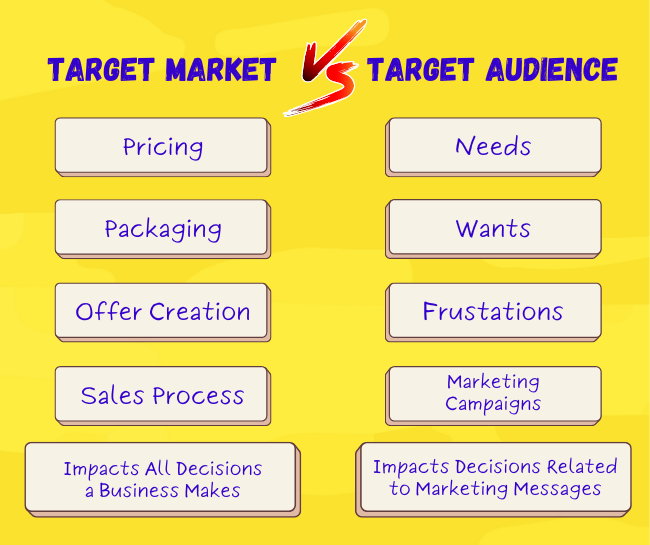
Your target market is the people who are most likely to buy your product or use your service. On the other hand, your target audience is the group of people you want to reach with your marketing efforts.
For example, if you’re marketing a new line of gym equipment, your target market would be people who are interested in fitness and working out. However, your target audience might be a specific group of people, such as women over the age of 30, who are interested in staying fit and healthy.
Why is it important to target the right audience for gyms

There are a few reasons why targeting the right audience when marketing your gym is important.
First, your marketing message will fall on deaf ears if you target the wrong audience.
Second, if you target the wrong audience, you’ll waste a lot of time and money trying to reach people who are not interested in what you offer.
Finally, targeting the right audience will make you more likely to convert leads into paying customers.
Defining the target market for gyms

Before finding your target audience for gyms, you must first identify your target market.
When it comes to gyms, there are a few different target markets you could choose from, such as people who are:
- Interested in fitness and working out
- Looking to lose weight
- Looking to gain muscle
- Ready to improve their overall health
Once you’ve identified your target market, you can narrow your target audience.
Finding the target audience for your gyms

Now that we’ve discussed why it’s important to target the right audience, let’s discuss how you can find the target audience for your gyms.
One way to find your target audience is to use market research. Market research is collecting data about a particular group of people. This data can help you determine what your target audience looks like, their interests, and where they can be found.
Another way to find your target audience for your gym is to use demographic information. Demographic information is data that describes a population, such as age, gender, income level, etc. This type of data can narrow down your target audience and ensure you’re reaching the right people.
Once you’ve determined your target audience, you can start thinking about how to reach them. There are several ways to reach your target audiences, such as through advertising, public relations, and content marketing.
How to appeal to your target audience when marketing your gyms
Now that you’ve identified your target audience for your gyms, it’s time to consider how to appeal to them.
- Write marketing messages that resonate with your target audience for gyms

When writing marketing messages, it’s important to keep your target audience in mind. What are their needs? What are their wants? And what pain points are they trying to solve?
Your marketing messages should address these needs, wants, and pain points. Doing so will make you more likely to reach your target audience and convert them into paying customers.
- Use the right marketing channels
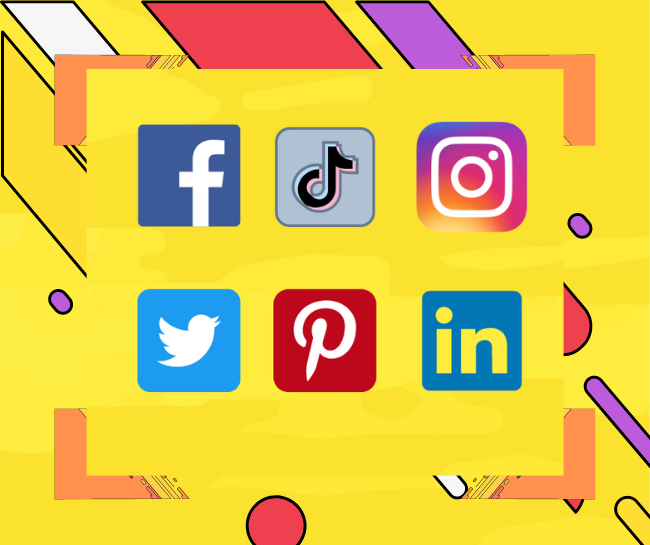
Another way to appeal to your target audience is to use marketing channels they are active on.
For instance, if you aim to target women over the age of 30, direct your marketing efforts on channels like Instagram and Facebook.
If you target men under the age of 30, focus your marketing efforts on channels like TikTok and Twitter.
The bottom line is that it’s important to use the right marketing channels when trying to reach your target audience. Doing so will make you more likely reach them where they are spending their time.
- Use images and videos that appeal to your target audience for your gyms

When creating content, it’s important to use visuals that appeal to your target audience.
For instance, if your goal is to make females over the age of 30, you might prefer to use images and videos that show healthy and fit women.
If your goal is to bring through your gym doors men under the age of 30, use images and videos that show men working out and making gains.
No matter what you are doing, ensure that the visuals you use should appeal to your target audience.
- Sponsor events that apply to the target audience of gyms

Another way to reach your target audience is to sponsor events that match their interests.
For example, if your target audience is women over the age of 30, sponsor a women’s fitness competition.
If your purpose is to appeal to men who are under the age of 30, sponsor a men’s bodybuilding competition.
- Collaborate with other businesses that target the same audiences

Also another way to reach your target audience is to collaborate with other businesses that target the same audience.
For example, if you’re a gym that targets women over the age of 40, collaborate with a local nutritionist.
If you’re a gym targeting men under 50, collaborate with a local sports team.
By collaborating with other businesses, you’ll be able to reach a larger target audience and convert more leads into customers.
- Create content that is relevant and useful to your target audience
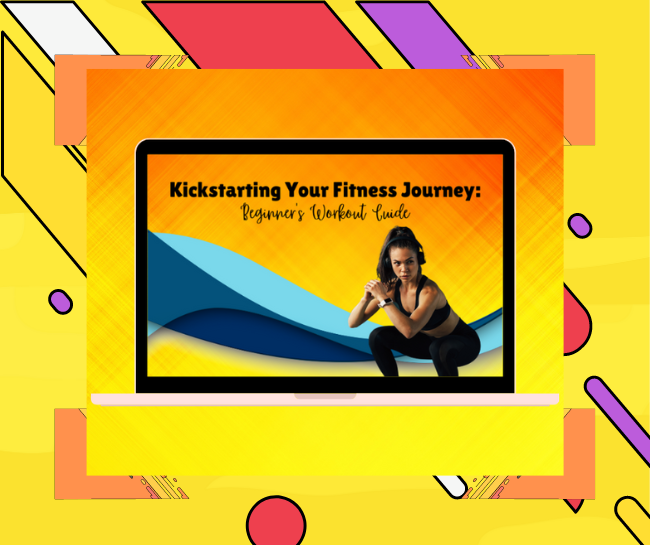
While creating visually appealing content is important, it’s also important to ensure that your content is relevant and useful to your target audience.
For example, if you’re a gym that targets mothers, create blog posts about workout routines that can be done at home with kids.
If you’re a gym that targets college students, create blog posts about how to stay fit while living in a dorm room.
No matter what type of content you create, make sure it is relevant and useful to your target audience for your gyms.
- Make it easy for people to buy your products or services

Running a gym is a business; to make money, you need to make it easy for people to take your products or services.
If your target audience is women over the age of 20, offer things like monthly membership discounts or personal training packages.
If your target audience is men under the age of 30, offer things like group discounts or free trials.
In any case, you need to ensure your services or products are priced in a way that is appealing to your target audience.
If you need a gym membership software that can help you on managing your gym members and gym employees, use Spark Membership!
- Measure the effectiveness of your marketing efforts and adjust accordingly

While this doesn’t seem to be directly related to the target audience for gyms, it’s important to measure the effectiveness of your marketing efforts and change accordingly.
For example, if your blog posts aren’t getting much traffic, it might be time to switch up your content strategy.
Start creating more social media content if you find that your social media posts are getting a lot of engagement.
Knowing how to appeal to your target audience is important, but it’s also important to measure the effectiveness of your marketing efforts and adjust accordingly. This will allow you to improve your marketing strategy constantly and eventually get more customers.
By following these tips, you’ll be well on your way to attracting your target audience when marketing your gyms. Remember, keeping their needs, wants, and pain points in mind when crafting your marketing messages is important. Additionally, use the right marketing channels, visuals, and content to reach them. Finally, make it easy for them to buy from you, and don’t forget to measure your success along the way. Good luck!
Test out the most effective membership management software. The fitness industry’s leading membership management software is called Spark Membership. Try it out right now for only $1.