Hiring the right martial arts instructor shapes everything your members experience, from day-one confidence to long-term retention. A strong instructor can deliver consistent classes, reinforce your school’s standards, and represent your culture on and off the mat. Use the questions and process below to hire with more clarity, less guesswork, and a better shot at finding someone who fits your program.
Before the Interview: Define What “Great” Looks Like at Your School
A solid interview starts before you ask the first question. When you define the role clearly, you can screen candidates against real expectations instead of vibes. To establish expectations for martial arts instructor candidates, make sure your team is clear on the following:
- Programs they’ll teach: Kids, teens, adults, beginner foundations, competition training, or specialty classes.
- Your non-negotiables: Safety rules, contact standards, coaching tone, and how you want instructors to address respect and discipline.
- Responsibilities beyond teaching: Opening and closing, class notes, cleaning, helping with events, and supporting onboarding for new members.
- What you’ll train and what you won’t: Curriculum, lesson templates, and shadowing are teachable, while character, reliability, and communication usually aren’t.
- How success is measured: Student progress, class quality, attendance consistency, parent feedback, and team collaboration.
What Questions Should You Ask When Interviewing Martial Arts Instructors?
Most questions that you’ll want to ask a martial arts instructor candidate can be grouped into a few key categories. To help you stay focused throughout the interview, review the main topics to ask a new candidate below:
1. Background and Qualifications

Understanding an instructor’s background and qualifications is vital in determining their expertise and credibility. Here are some essential questions to ask:
- What is your martial arts style, and what rank have you achieved?
- How many years of teaching experience do you have, and what age groups have you taught most often?
- What certifications and affiliations do you hold, and how do you keep them current?
These questions help you confirm that the candidate’s experience matches the role you’re hiring for, not just the style they trained in.
2. Teaching Philosophy and Approach
Technique matters, but your school’s experience is built on teaching style, discipline standards, and how instructors motivate students across skill levels. Consider asking the following questions:
- How would you describe your teaching philosophy?
- What is your approach to discipline and motivation?
- How do you adapt your teaching style to accommodate different learning styles?
Listen for a clear, student-centered approach. Great instructors can explain how they coach beginners without overwhelming them, and how they challenge advanced students without letting ego run the class.
Keep in mind that teaching philosophy shapes the daily culture of your school, so you’ll want to find an instructor whose philosophy and approach are similar to your own.

3. Culture and Character Fit Questions
Your instructor is a role model, and members notice how he carries himself. These questions help you screen for maturity, humility, and alignment with your school’s standards.
Questions to ask:
- What does being a role model mean to you in a martial arts school, and how do you show it consistently?
- Tell us about a time you corrected behavior without embarrassing the student, what did you say and what happened next?
- How do you handle disagreements with another instructor about how something should be taught or managed?
- Why do you teach, and what does progress look like to you for a brand-new student in the first month?
What you’re listening for:
- Clear respect for students and parents, not performative “toughness”
- Ownership of mistakes and a willingness to learn
- A calm approach under pressure
- A team mindset that supports the school’s bigger mission

4. Practical Instruction and Class Management
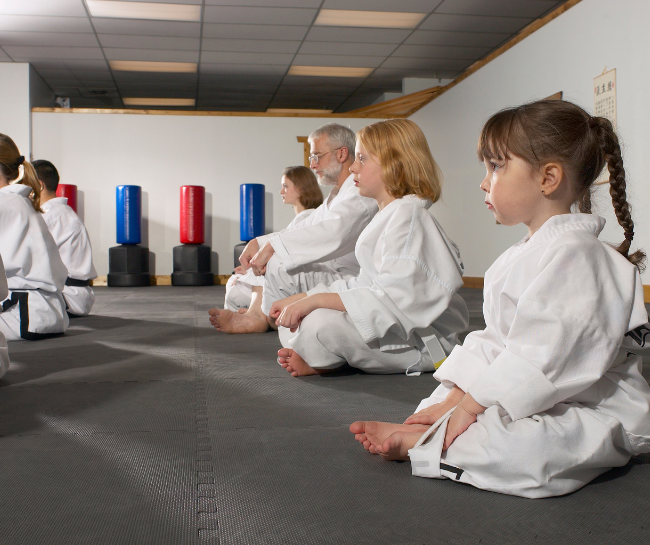
Evaluating practical teaching skills helps you understand whether the instructor can run a class that feels organized, safe, and worth coming back for.
- How do you plan and structure your lessons for a typical class?
- How do you assess and address student technique issues in real time?
- What strategies do you use for classroom management, especially with mixed skill levels?
Follow up with specifics. Ask what a warm-up looks like, how they introduce a new technique, and how they keep students engaged during drilling. A strong candidate will describe a repeatable structure, not a freestyle approach that depends on the day.
5. Communication and Interpersonal Skills
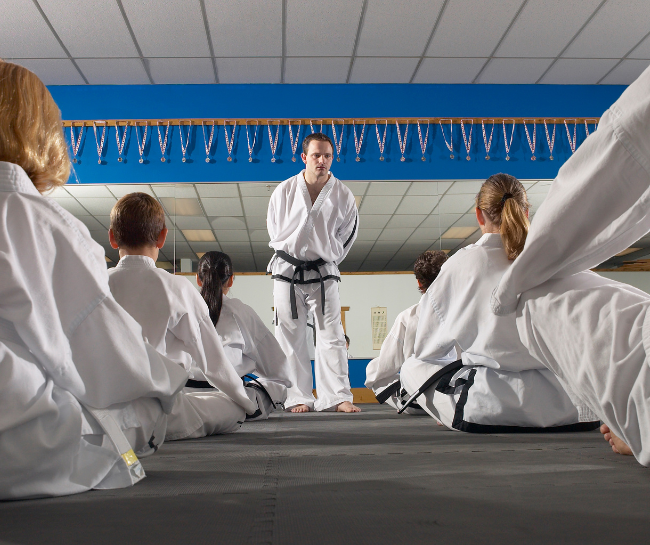
A martial arts instructor needs to coach, correct, motivate, and communicate clearly with students, parents, and the rest of your team.
Questions to ask:
- Can you share an example of how you’ve handled a difficult student or challenging situation, and what you learned from it?
- What strategies do you use to maintain student engagement during longer classes or repetitive drills?
- How do you communicate with parents or guardians, and how do you handle concerns about progress or behavior?
Look for calm, clear communication and strong judgment. The best answers explain what they said, why they said it, and how they followed up afterward.

6. Safety, Reliability, and Professional Standards
Even excellent teachers can create problems if they’re inconsistent, unsafe, or unreliable. This section helps you screen for judgment, professionalism, and trustworthiness.
Questions to ask:
- Walk us through your safety rules for sparring or contact drills for this age group and this skill level.
- If a student gets injured, what steps do you take immediately, and how do you communicate it to the school and the parent?
- What does “reliable” look like in your past roles, how did your previous school measure it, and what feedback did you get?
- How do you handle punctuality, substitutions, and last-minute changes, both for your own schedule and the team’s schedule?
These questions clarify whether the candidate understands that instruction is a professional responsibility, not just a hobby with a uniform.
Don’t Skip the Audition: How to Validate Fit Before You Hire
Interviews matter, but teaching is a performance skill. A short, structured audition helps you confirm what you heard during the interview.
During an audition, follow these steps:
- Teach audition (10 to 15 minutes): Warm-up, one technique, and one drill. Choose something common in your program so you can evaluate clarity and pacing.
- Quick debrief: Ask what they noticed, what they would adjust next time, and how they would coach a student who struggles.
- Reference check: Ask about teaching consistency, professionalism, reliability, and how they handled difficult situations.
If you hire instructors who will work with minors, align your checks with your policies and local requirements.
Easily Manage Your Growing Team With Spark Membership
Ready to grow your instructor team without adding chaos behind the scenes? Spark Membership helps you manage staff schedules and class coverage in one place, send real-time updates when plans change, and keep everyone aligned with simple task tracking and notifications. You can assign classes to specific staff members and review staff activity logs, so your school stays consistent even as your team expands.
Experience the power of Spark Membership Software today by scheduling a live demo. Discover how it can simplify your operations, streamline membership management, and help your martial arts school grow.