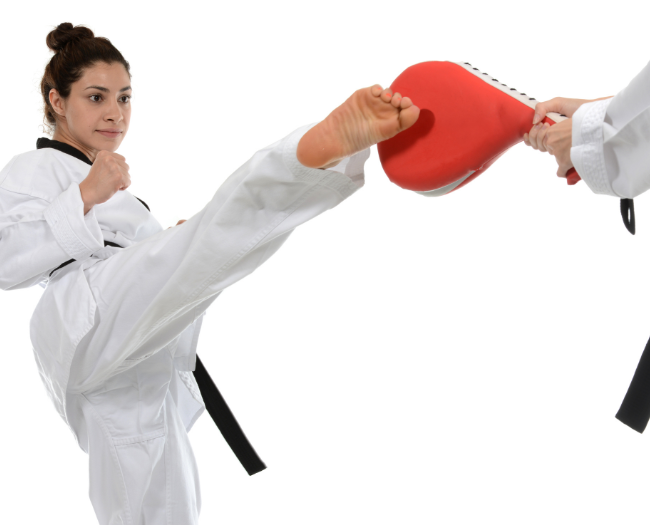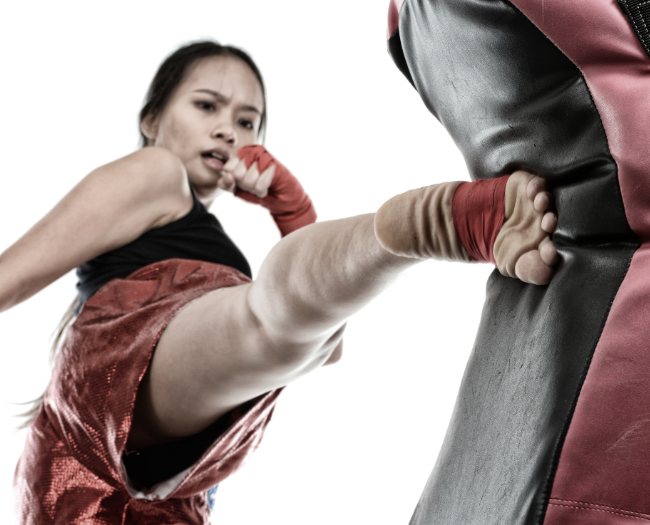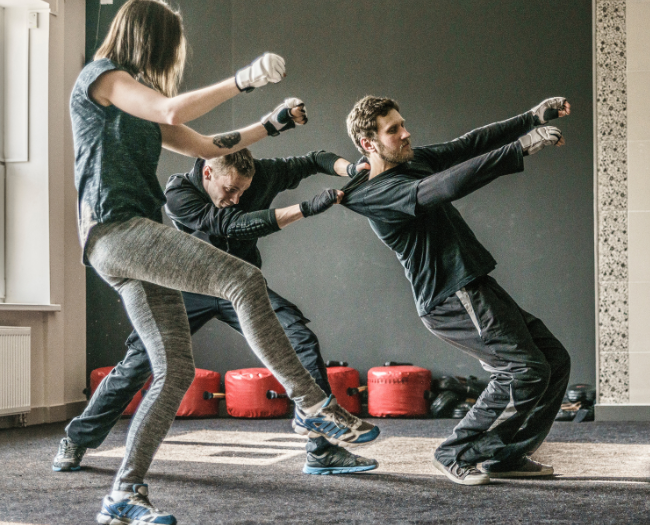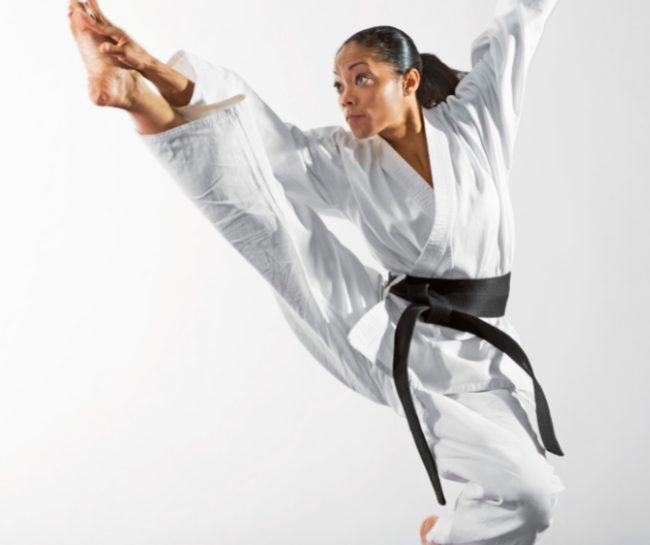
In the martial arts world, versatility is key. Diversifying martial arts based on physique opens avenues for everyone, irrespective of their stature. Smaller individuals may find certain styles more adaptable, and this article sheds light on those styles, ensuring everyone has a fair fighting chance.
Can Short People Be Good at Martial Arts?

The question of stature in martial arts is a recurring one, often springing from misconceptions surrounding size and its influence on performance. Can a person of shorter stature truly excel in a domain that seemingly favors height and reach? The answer is a resounding yes. Here’s why:
- The Essence of Martial Arts: At its core, martial arts isn’t solely about physical power or height dominance. It’s about mastering techniques, understanding your opponent’s movements, and utilizing strategic thinking. These principles apply universally, irrespective of one’s size.
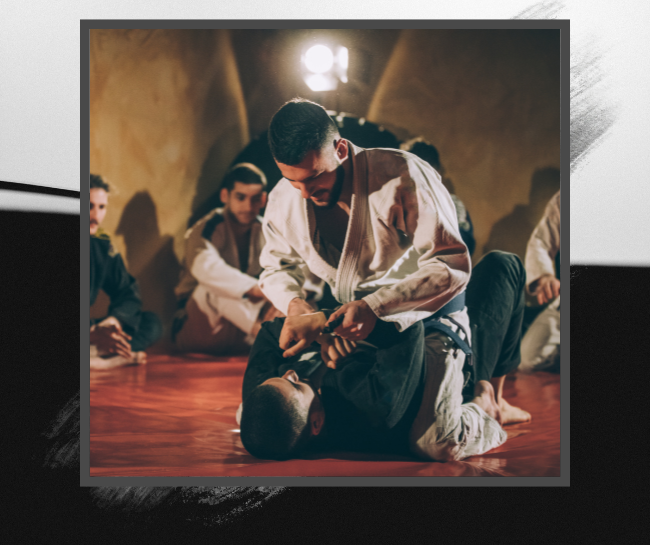
- Leverage and Technique Over Brute Strength: Martial arts like Brazilian Jiu-Jitsu emphasize the significance of leverage and technique. In many situations, a shorter person can have a lower center of gravity, making them more stable and harder to unbalance. This stability can be a considerable advantage in grappling arts, allowing them to maintain control over their opponents.
- Speed & Agility: Shorter limbs can often move faster than longer ones. A smaller individual might possess agility that allows for quicker reflexes and rapid directional changes, making them a challenging target in fast-paced sparring situations.
- Close-Range Combat: While reach is an advantage in long-range combat, in close-range, a shorter person can operate more efficiently, delivering powerful strikes or executing grapple techniques with less room.
- Tailored Techniques: Just as taller individuals develop strategies that capitalize on their reach and height, shorter martial artists can cultivate techniques and strategies that play to their strengths. For example, ducking, dodging, and quick ground transitions can be more fluid for them.
- Mental Fortitude: Often, shorter individuals may face initial underestimation in the dojo or ring. This can instill a robust mentality, breeding determination, resilience, and a drive to prove detractors wrong. When combined with skill, this mental edge can be a formidable weapon in itself.
- Endless Success Stories: History and contemporary martial arts arenas are filled with examples of shorter individuals who’ve reached pinnacles of success. Their achievements are a testament to the fact that passion, dedication, and skill are the true determinants of success, rather than mere physical stature.
💡 Being short is by no means a hindrance in the world of martial arts. If anything, it presents a unique set of advantages that, when recognized and harnessed, can pave the way for unmatched prowess and accomplishment.
Top 5 Martial Arts for Smaller Individuals
In martial arts, adaptability of disciplines shines, especially for smaller individuals. Styles amplify strengths, aiding defense and boosting self-assurance. Let’s explore and understand their uniqueness.
- Aikido
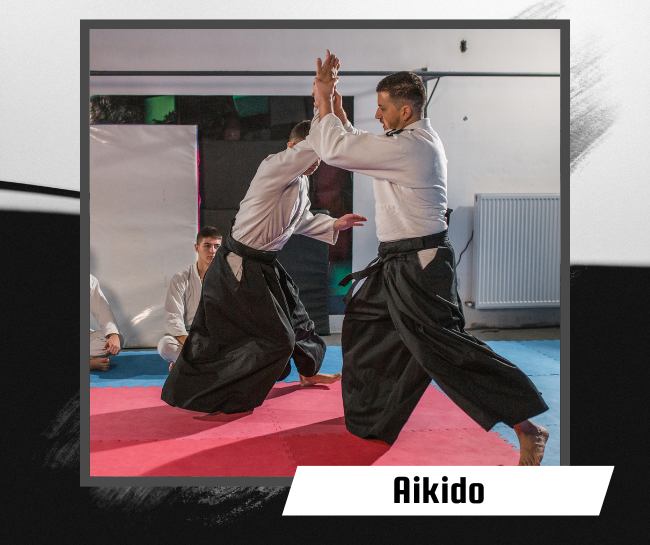
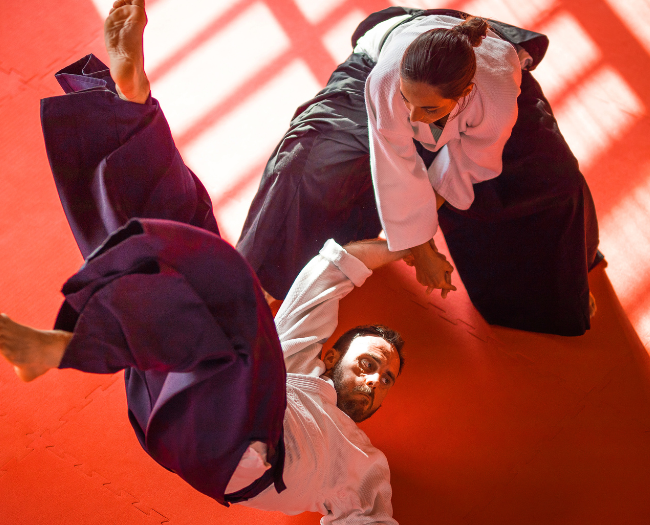
Aikido’s essence lies in redirecting an opponent’s energy rather than confronting it head-on. It doesn’t focus on overpowering but on using the opponent’s own force against them. This means that even if an adversary is larger or stronger, their strength becomes a tool for the Aikido practitioner
Core Techniques:
- Joint-locking
- Pinning techniques
- Off-balancing and redirection
- Brazilian Jiu-Jitsu (BJJ)
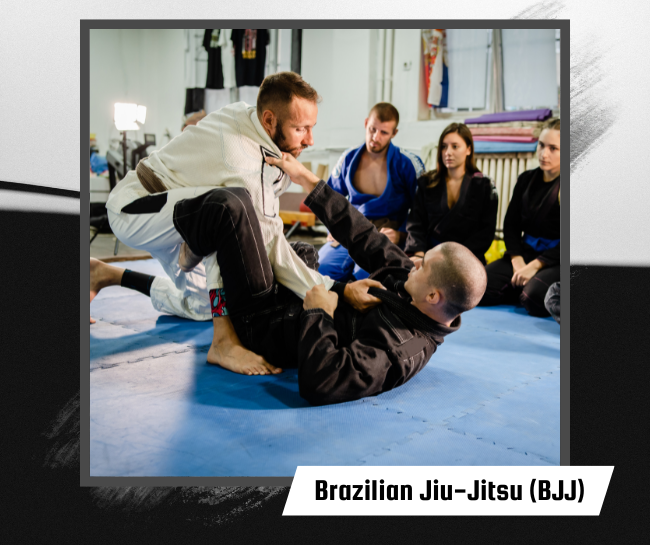
BJJ is a strategic art form emphasizing leverage and technique over sheer strength. Ground fighting, its primary focus, allows a smaller person to control and even dominate a larger adversary by understanding leverage points and positioning.
Core Techniques:
- Ground fighting
- Chokes and joint locks
- Positional control
- Judo
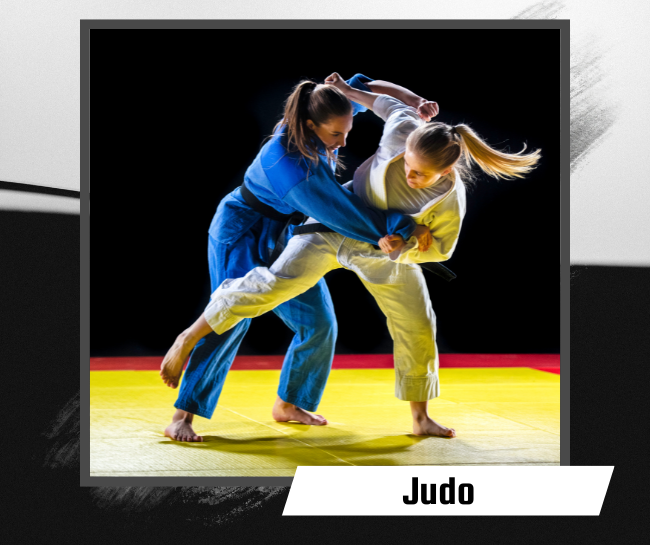
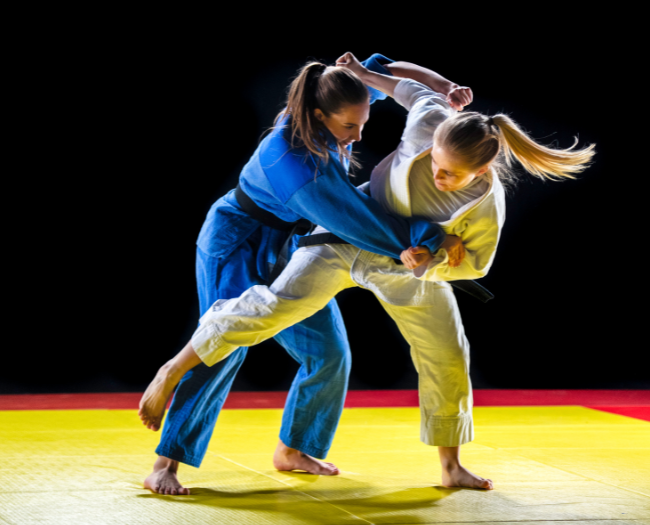
Originating from jujitsu, Judo teaches practitioners to use an opponent’s energy and balance against them. Its techniques focus on exploiting weak points in balance, making it possible for a smaller individual to throw or pin a larger opponent.
Core Techniques:
- Seoi Nage (shoulder throw)
- Osoto Gari (major outer reap)
- Ground pins
- Wing Chun
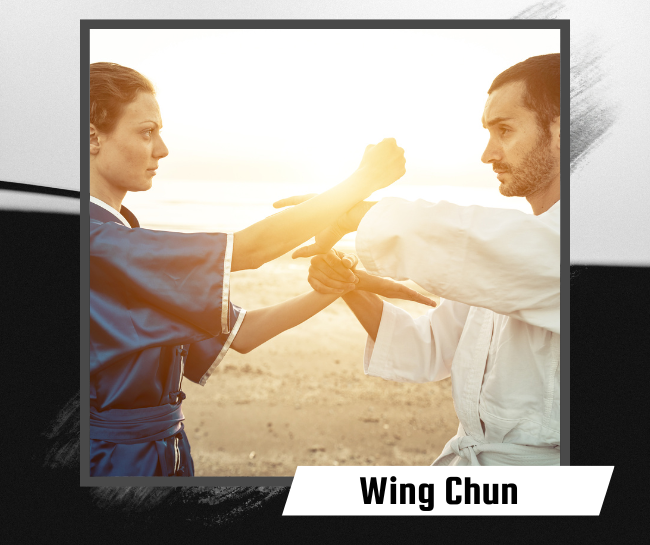
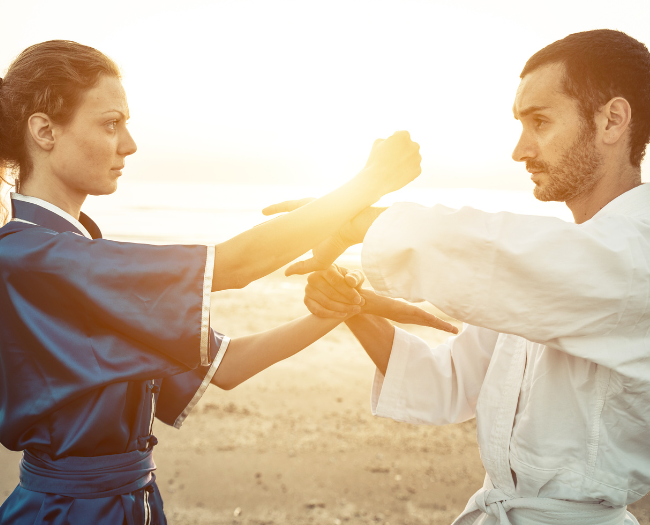
Developed with an emphasis on speed and close-quarter combat, Wing Chun techniques aim to sidestep brute strength. By staying close and center-focused, a smaller practitioner can effectively counter larger, more forceful attacks.
Core Techniques:
- Chain punches
- Trapping
- Centerline theory and defense
- Muay Thai
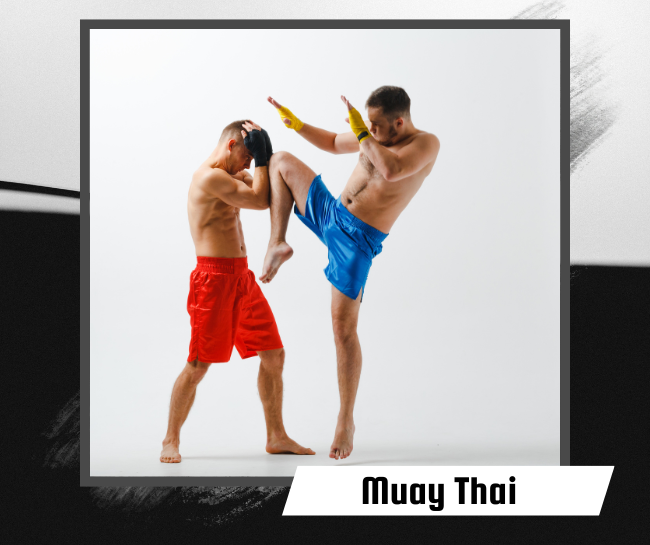
Muay Thai’s comprehensive training approach makes it adaptable for smaller fighters. It teaches practitioners to use their entire body in combat, allowing smaller individuals to generate significant power, especially in close quarters with elbows and knees.
Core Techniques:
- Strikes using fists, elbows, knees, and shins
- The clinch
- Leg kicks and sweeps
💡 By intertwining intellect with physical skill, these disciplines demonstrate that martial arts success isn’t solely determined by size. It’s about the application of technique, strategy, and heart.
Recommendations for Fitness Business Owners and Instructors
For martial arts school owners and instructors looking to diversify and attract more students, focusing on styles suited for smaller individuals can be a game-changer. Here’s how to seamlessly integrate this into your offerings:
Identify the Gap:
Understand that smaller individuals often seek martial arts tailored for their physique. Recognize and cater to this demand.
Offer Variety: Introduce disciplines like Brazilian Jiu-Jitsu, Judo, and Wing Chun. Collaborate with experienced instructors who specialize in training smaller individuals.
Adapt Your Space:
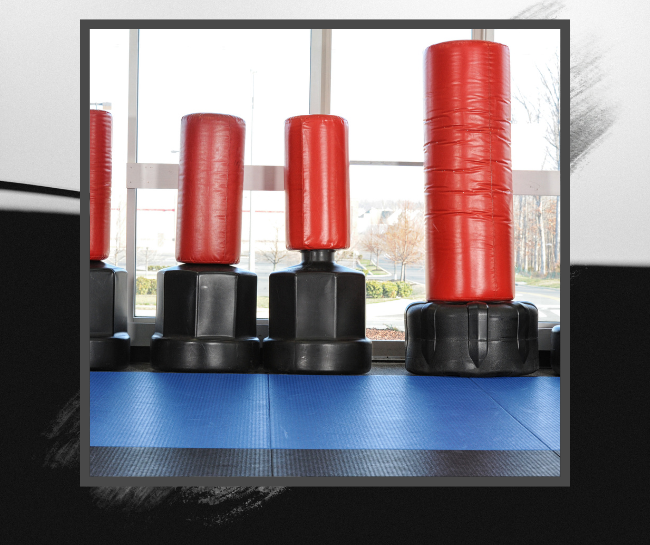
Modify equipment and facilities to accommodate all sizes. Offer gear for varied body types and optimize mat spaces for ground-based styles.
Market Smartly:
Highlight success stories of smaller individuals. Use digital content—videos, blogs, webinars—that emphasizes techniques for lighter weight individuals.
Promote Respect: Ensure a welcoming environment. Emphasize the importance of technique and skill over sheer size and strength.
Engage Locally:
Host events or workshops targeting smaller individuals. Collaborate with local institutions to offer specialized training.
Implementing these strategies can help you tap into an untapped demographic, expanding your school’s appeal and reinforcing the core values of martial arts.
Martial arts are for everyone – regardless of size, gender, or age. For fitness businesses, acknowledging this diversity and offering specialized training can be a game-changer. To all the aspiring martial artists out there: Don’t let size define you. Dive into the world of martial arts, discover your strengths, and let your spirit soar!
Level up your school with Spark Membership! Click now to discover key features and revolutionize your martial arts experience. Watch your school thrive like never before! Join us and grow today.